Mastering Gut Health: 3-Month Plan for Well-being & Immunity
Mastering gut health through a strategic 3-month action plan can significantly enhance overall well-being and strengthen immunity, impacting everything from digestion to mental clarity.
Embarking on a journey to improve your gut health can feel overwhelming, but a structured approach can make all the difference. This article will guide you through Mastering Gut Health: A 3-Month Action Plan for Improved Well-being and Immunity, offering practical steps to transform your digestive system and, consequently, your entire body’s health.
Understanding the Gut-Body Connection
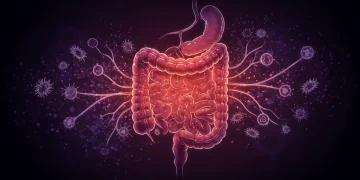
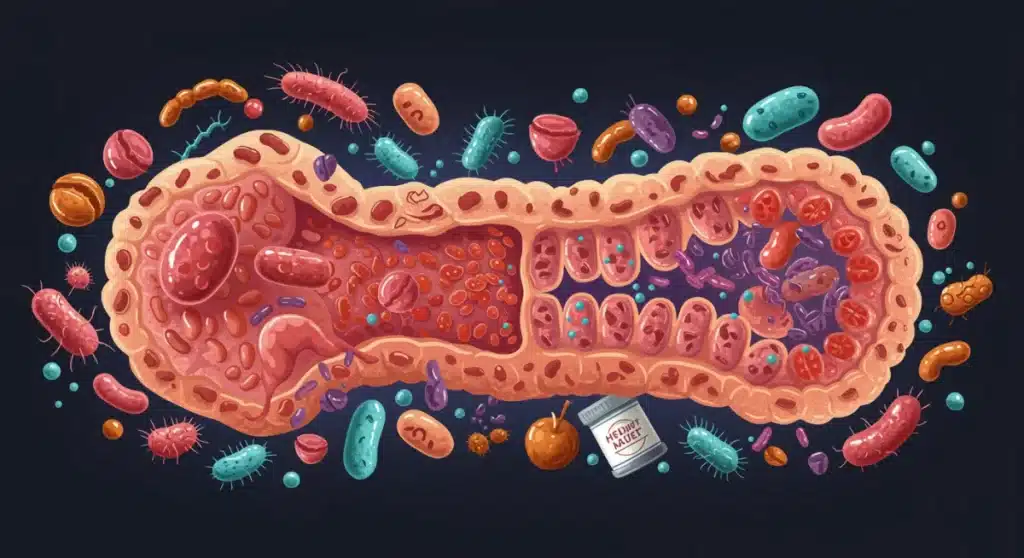
The human gut, often referred to as the ‘second brain,’ plays a pivotal role in far more than just digestion. It hosts trillions of microorganisms, collectively known as the gut microbiome, which influence everything from nutrient absorption to immune function and even mental health. A balanced microbiome is essential for optimal health, acting as a crucial line of defense against pathogens and supporting vital bodily processes.
When the gut microbiome is imbalanced, a condition known as dysbiosis can occur. This imbalance has been linked to a wide array of health issues, including autoimmune diseases, allergies, obesity, and even mood disorders. Recognizing the profound impact of gut health on overall well-being is the first step toward taking proactive measures to nurture this complex internal ecosystem.
The Immune System’s Headquarters
A significant portion of your immune system resides in your gut. Specialized immune cells in the gut lining constantly interact with the microbiome, learning to distinguish between beneficial and harmful substances. This intricate interaction dictates how your body responds to infections and inflammation.
- Gut-associated lymphoid tissue (GALT): This comprises about 70% of the body’s immune cells.
- Pathogen defense: A healthy gut barrier prevents harmful bacteria and toxins from entering the bloodstream.
- Inflammation regulation: A balanced microbiome helps keep systemic inflammation in check.
Maintaining a diverse and thriving gut flora is therefore synonymous with having a robust immune system, capable of protecting you from various illnesses and promoting faster recovery. Understanding this fundamental connection empowers you to make informed decisions about your diet and lifestyle.
In conclusion, the gut-body connection is undeniable and multifaceted. It underscores the importance of nourishing your gut not just for digestive comfort, but for comprehensive health, immunity, and even emotional stability. This holistic view forms the foundation of our 3-month action plan.
Month 1: Resetting Your Gut Foundation
The first month of your gut health journey focuses on eliminating potential irritants and introducing foundational elements that support a healthy gut environment. This phase is about setting the stage for repair and replenishment, preparing your system for deeper changes.
Starting with a clean slate is crucial. Many common dietary habits and environmental factors can disrupt the delicate balance of your gut microbiome. By consciously removing these stressors, you allow your gut lining to heal and reduce inflammation, which is often a precursor to more significant digestive issues.
Dietary Eliminations and Additions
During this initial month, particular attention is paid to what you remove from your diet and what you strategically introduce. The goal is to reduce inflammation and feed beneficial bacteria.
- Eliminate processed foods: These often contain artificial ingredients, unhealthy fats, and excessive sugar, all detrimental to gut health.
- Reduce sugar intake: Sugar feeds harmful bacteria and yeasts, leading to dysbiosis.
- Limit inflammatory foods: For some, this might include gluten, dairy, or soy, which can trigger digestive discomfort.
- Increase fiber-rich foods: Vegetables, fruits, and whole grains provide prebiotics, essential for beneficial bacteria.
- Stay hydrated: Water is vital for digestion and nutrient absorption, helping to keep things moving smoothly.
Beyond diet, consider lifestyle factors. Stress is a significant gut disruptor. Incorporating stress-reducing practices, such as meditation, yoga, or even simple deep breathing exercises, can have a profound positive effect on your digestive system. Adequate sleep also plays a critical role in gut repair and overall bodily function.
By the end of Month 1, you should begin to notice subtle improvements in your digestion, energy levels, and overall sense of well-being. This foundational month is about building awareness and discipline, paving the way for more targeted interventions in the subsequent months.
Month 2: Rebuilding and Replenishing the Microbiome
Having established a cleaner internal environment in Month 1, Month 2 shifts focus to actively rebuilding and diversifying your gut microbiome. This involves strategically introducing beneficial bacteria and the nutrients they need to thrive, moving beyond just eliminating harmful elements.
The goal here is to create a robust and resilient gut ecosystem. A diverse microbiome is better equipped to handle dietary changes, stress, and environmental toxins, providing a stronger foundation for long-term health and immunity. This phase often involves incorporating fermented foods and targeted supplements.
Introducing Probiotics and Prebiotics
Probiotics are live beneficial bacteria, while prebiotics are non-digestible fibers that act as food for these bacteria. Both are crucial for a healthy gut.
- Fermented foods: Include kimchi, sauerkraut, kefir, yogurt (dairy or non-dairy), and kombucha in your daily diet. Start slowly to avoid digestive upset.
- Probiotic supplements: Consider a high-quality, multi-strain probiotic supplement. Look for one with a diverse range of bacterial strains and a high CFU count (colony-forming units). Consult a healthcare professional for personalized recommendations.
- Prebiotic-rich foods: Continue to emphasize foods like garlic, onions, leeks, asparagus, bananas, and oats. These nourish your existing beneficial bacteria and newly introduced probiotics.
Beyond food and supplements, lifestyle continues to be a critical component. Regular physical activity has been shown to positively influence gut microbial diversity. Aim for at least 30 minutes of moderate exercise most days of the week. Spending time in nature can also contribute to a healthier microbiome by exposing you to a wider variety of environmental microbes.

This month is about consistent effort and observation. Pay attention to how your body responds to the new additions. Small adjustments based on your individual reactions are key to success. By the end of Month 2, your gut should feel noticeably more balanced, and you might experience enhanced mood and energy.
In essence, Month 2 is about actively nurturing your gut’s microbial community. By providing the right fuel and beneficial organisms, you are empowering your digestive system to function optimally and support your overall health and immune resilience.
Month 3: Sustaining and Optimizing Gut Health
The final month of the action plan focuses on consolidating the progress made and establishing sustainable habits for long-term gut health. This phase is about fine-tuning your approach, listening to your body, and creating a personalized blueprint for ongoing well-being and immunity.
Having rebuilt your gut foundation and replenished your microbiome, the challenge now is to maintain this improved state. It’s not about strict adherence to a temporary diet, but rather about integrating healthy practices into your everyday life, making them feel natural and effortless.
Personalizing Your Gut Health Journey
Everyone’s gut microbiome is unique, and what works perfectly for one person might need adjustments for another. This month encourages self-experimentation and mindful eating.
- Food journaling: Keep a record of what you eat and how you feel. This helps identify foods that might still cause discomfort or those that make you thrive.
- Diversify your diet: Continue to introduce new plant-based foods to further enhance microbial diversity. Aim for a wide variety of fruits, vegetables, legumes, nuts, and seeds.
- Mindful eating practices: Slow down, chew your food thoroughly, and pay attention to hunger and fullness cues. This aids digestion and nutrient absorption.
- Regular check-ins: Periodically assess your energy levels, mood, sleep quality, and digestive regularity. These are all indicators of gut health.
Consider incorporating stress-reduction techniques more deeply into your daily routine. Chronic stress can swiftly undo much of the gut healing you’ve achieved. Techniques like meditation, spending time in nature, or engaging in hobbies you love can be powerful allies. Furthermore, adequate sleep remains paramount for gut repair and overall immune function.
This month is also an excellent time to consult with a nutritionist or functional medicine practitioner if you feel the need for more personalized guidance or if you’re still experiencing persistent issues. They can offer advanced testing and tailored recommendations.
By the end of Month 3, you should have a clear understanding of what supports your individual gut health and a sustainable routine in place. This optimized state will not only enhance your digestive comfort but also significantly bolster your immune system and overall vitality.
Lifestyle Factors for a Thriving Gut
Beyond diet, several lifestyle factors profoundly impact gut health. Neglecting these can undermine even the most diligent dietary efforts. Integrating these practices ensures a holistic approach to fostering a thriving gut microbiome.
Our modern lives often present challenges that can directly or indirectly harm your gut. High stress levels, lack of sleep, insufficient physical activity, and exposure to environmental toxins all contribute to an imbalanced gut. Addressing these elements is as crucial as dietary adjustments.
Stress Management and Sleep Hygiene
The gut-brain axis is a bidirectional communication pathway, meaning stress in the mind can directly affect the gut, and vice-versa.
- Mindfulness and meditation: Regular practice can reduce stress hormones that negatively impact gut motility and permeability.
- Yoga and deep breathing: These practices activate the parasympathetic nervous system, promoting ‘rest and digest’ functions.
- Adequate sleep: Aim for 7-9 hours of quality sleep per night. Sleep deprivation disrupts circadian rhythms, which can in turn affect gut microbial balance.
- Consistent sleep schedule: Going to bed and waking up at the same time each day helps regulate your body’s natural rhythms.
Physical activity is another cornerstone of gut health. Moderate exercise has been shown to increase the diversity of beneficial gut bacteria and reduce inflammation throughout the body. Find activities you enjoy, whether it’s walking, cycling, swimming, or dancing, and make them a regular part of your routine.
Environmental factors also play a role. Minimizing exposure to harsh chemicals in cleaning products, pesticides in food, and unnecessary antibiotics can help protect your delicate microbiome. Opt for organic produce when possible and use natural cleaning alternatives.
By consciously managing stress, prioritizing sleep, staying active, and reducing toxic exposure, you create an environment where your gut microbiome can truly flourish. These lifestyle adjustments are powerful complements to your dietary efforts in achieving optimal gut health and robust immunity.
Monitoring Progress and Troubleshooting
As you progress through your 3-month action plan, it’s essential to monitor your body’s responses and be prepared to troubleshoot any challenges. This adaptive approach ensures that your journey toward mastering gut health is effective and personalized.
Healing the gut is not always a linear process. There might be days when you feel great, and others where you experience setbacks. Learning to interpret your body’s signals and making informed adjustments is key to long-term success and avoiding frustration.
Key Indicators of Gut Health Improvement
- Improved digestion: Reduced bloating, gas, indigestion, and more regular bowel movements.
- Increased energy levels: A healthy gut efficiently absorbs nutrients, leading to better energy production.
- Enhanced mood and mental clarity: The gut-brain axis means a healthier gut often translates to better cognitive function and emotional balance.
- Stronger immunity: Fewer colds, faster recovery from illness, and reduced allergy symptoms.
- Better skin health: Many skin conditions are linked to gut imbalances.
- Reduced food sensitivities: As the gut lining heals, you might find you can tolerate a wider range of foods.
If you encounter challenges, such as persistent digestive issues or new symptoms, consider revisiting earlier steps in the plan. Sometimes, a temporary re-elimination of certain foods or a deeper dive into stress management might be necessary. Consulting with a healthcare professional, particularly one specializing in gut health, can provide invaluable guidance and rule out underlying conditions.
Remember that consistency is more important than perfection. Don’t get discouraged by occasional slip-ups. Focus on the overall trajectory of your health. By diligently monitoring your progress and being proactive in troubleshooting, you empower yourself to achieve and maintain optimal gut health.
Long-Term Strategies for Gut Health Maintenance
Achieving optimal gut health is not a destination but an ongoing journey. Once you’ve completed the initial 3-month action plan, the focus shifts to maintaining these beneficial changes and continuing to support your gut microbiome for sustained well-being and immunity.
The habits you’ve cultivated over the past three months should now feel more natural and integrated into your daily life. The goal is to make these practices second nature, ensuring your gut continues to thrive without requiring constant, intense effort.
Building a Sustainable Gut-Friendly Lifestyle
Sustainable changes are those that seamlessly fit into your life and don’t feel like a burden.
- Diverse whole foods diet: Continue to prioritize a wide variety of plant-based foods, lean proteins, and healthy fats. Emphasize colorful fruits and vegetables, legumes, and whole grains.
- Regular intake of fermented foods: Incorporate fermented foods like yogurt, kefir, sauerkraut, or kimchi into your meals a few times a week to consistently replenish beneficial bacteria.
- Stay hydrated: Make drinking adequate water a non-negotiable part of your day.
- Consistent stress management: Continue practicing stress-reducing techniques that work for you, whether it’s meditation, spending time in nature, or creative outlets.
- Prioritize sleep: Maintain a regular sleep schedule and ensure you get sufficient restorative sleep each night.
- Regular movement: Stay physically active with a mix of aerobic exercise and strength training.
- Listen to your body: Pay attention to how different foods and activities affect you. Your body provides valuable feedback.
Consider periodic ‘gut check-ins’ where you re-evaluate your diet and lifestyle. Are there new stressors? Have your eating habits shifted? These regular assessments can help you identify potential issues before they become significant problems. Think of it as preventative maintenance for your internal ecosystem.
Embracing a flexible yet consistent approach is key. Life happens, and occasional deviations from your ideal routine are inevitable. The strength of a healthy gut lies in its resilience to bounce back. By continuing to nourish your microbiome with mindful choices and healthy habits, you ensure enduring gut health, robust immunity, and an overall enhanced quality of life.
| Key Phase | Primary Focus |
|---|---|
| Month 1: Reset | Eliminate irritants, reduce inflammation, prepare gut lining. |
| Month 2: Rebuild | Introduce probiotics and prebiotics, diversify microbiome. |
| Month 3: Sustain | Personalize habits, optimize lifestyle, long-term maintenance. |
Frequently Asked Questions About Gut Health
While some individuals notice improvements within weeks, significant and lasting changes typically take 3 months or more. Consistency is key, as the gut microbiome needs time to adapt and rebalance. Be patient and observe subtle shifts over time.
While fermented foods are excellent, high-quality probiotic supplements can provide a more concentrated and diverse range of beneficial strains, especially during the rebuilding phase. For maintenance, a diet rich in fermented foods might suffice, but supplements can offer an extra boost.
Common signs include chronic digestive issues like bloating, gas, constipation, or diarrhea. Other indicators can be fatigue, skin problems, mood swings, frequent infections, and food intolerances. These symptoms suggest an imbalance that needs addressing.
Absolutely. The gut-brain axis links your central nervous system to your enteric nervous system within the gut. Chronic stress can alter gut motility, permeability, and even the composition of your microbiome, leading to digestive issues and inflammation.
Yes, often referred to as increased intestinal permeability, a leaky gut can often be healed through dietary changes, reducing inflammatory foods, introducing gut-healing nutrients like L-glutamine, and managing stress. It’s a key focus of comprehensive gut health plans.
Conclusion
Embarking on a 3-month action plan to improve your gut health is a transformative journey that extends far beyond just digestive comfort. It’s an investment in your overall well-being, fortifying your immune system, enhancing your mood, and boosting your energy levels. By systematically resetting, rebuilding, and sustaining a healthy gut microbiome, you lay the foundation for a life of greater vitality and resilience. Remember, consistency, patience, and a willingness to listen to your body are your most powerful tools in mastering gut health for the long term.