Energy Healing Explained: Reiki vs. Qigong Benefits
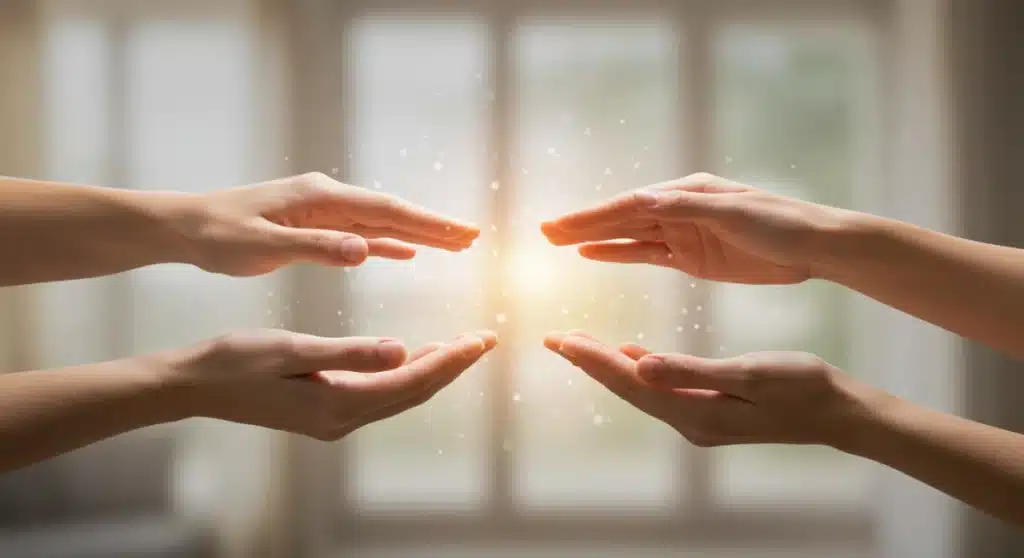
Energy healing systems like Reiki and Qigong offer distinct pathways to holistic wellness by manipulating the body’s subtle energy for physical and mental balance.
Have you ever wondered about the invisible forces influencing your well-being? The concept of energy healing, specifically an in-depth look at Energy Healing Explained: A Comparison of Reiki vs. Qigong for Holistic Wellness Benefits, delves into ancient practices that seek to restore balance and vitality. These modalities, while different in their origins and methods, share a common goal: to harmonize the body’s subtle energy for profound healing.
Understanding the Foundations of Energy Healing
Energy healing is a broad term encompassing various therapeutic approaches based on the belief that a vital life force energy flows through and around the body. When this energy is disrupted or blocked, it can lead to physical, emotional, or mental imbalances. Practitioners of energy healing aim to clear these blockages and promote the free flow of energy, thereby supporting the body’s natural healing capabilities.
Throughout history, cultures worldwide have recognized and utilized this concept of a universal life force. In traditional Chinese medicine, it’s known as ‘Qi,’ while in Indian traditions, it’s called ‘Prana.’ These ancient wisdoms form the bedrock upon which modern and traditional energy healing practices are built, offering a holistic perspective on health that extends beyond mere physical symptoms.
The Concept of Life Force Energy
The idea of a pervasive life force energy is central to many ancient healing traditions. This energy is believed to animate all living things and connect us to the universe. When this energy is balanced and flowing freely, individuals experience optimal health and vitality. Conversely, stagnation or depletion of this energy can manifest as illness or emotional distress.
- Qi (Chi): In Chinese medicine, Qi is the fundamental life force, circulating through meridians.
- Prana: In Ayurvedic traditions, Prana is the vital energy that sustains life and consciousness.
- Ki: In Japanese traditions, Ki is a universal life force energy, similar to Qi and Prana.
These concepts highlight a common thread across diverse cultures, suggesting a universal understanding of energy’s role in health. The recognition of this vital force has led to the development of sophisticated systems designed to interact with and influence it for therapeutic purposes.
In essence, energy healing operates on the principle that by addressing the energetic blueprint of the body, one can influence its physical and emotional states. This approach complements conventional medicine by offering a non-invasive, gentle pathway to well-being, focusing on the root causes of imbalance rather than just symptom management.
Reiki: Universal Life Force Energy Healing
Reiki, a Japanese technique for stress reduction and relaxation, also promotes healing. It is administered by ‘laying on hands’ and is based on the idea that an unseen ‘life force energy’ flows through us. If one’s ‘life force energy’ is low, then we are more likely to get sick or feel stress; if it is high, we are more capable of being happy and healthy.
Reiki is a gentle yet powerful practice, often described as a spiritual healing art. Its origins trace back to Mikao Usui in the early 20th century, who developed the system after a profound spiritual experience. Reiki practitioners undergo attunements, which are sacred ceremonies that open their energy channels to connect with the universal life force energy, allowing them to channel it effectively.
How Reiki Works
A typical Reiki session involves the client lying fully clothed on a massage table while the practitioner places their hands lightly on or just above various positions on the body. The energy flows from the practitioner’s hands into the client, where it promotes relaxation, reduces pain, and accelerates natural healing.
- Hand Positions: Practitioners use a series of non-invasive hand placements across the body.
- Energy Channeling: The practitioner acts as a conduit for universal energy, not using their own.
- Client Experience: Clients often report feelings of warmth, tingling, deep relaxation, or a sense of peace.
The beauty of Reiki lies in its simplicity and accessibility. It doesn’t require any specific beliefs from the recipient for it to be effective. The energy goes where it is needed most, addressing imbalances on physical, emotional, mental, and spiritual levels. Many people seek Reiki for stress relief, pain management, and to support emotional healing.
Reiki’s profound ability to induce deep relaxation makes it a valuable tool for managing chronic stress, which is a significant contributor to many modern illnesses. By calming the nervous system, Reiki allows the body to shift into a state where healing can naturally occur, fostering a sense of inner peace and well-being.
Qigong: Cultivating and Guiding Internal Energy
Qigong, an ancient Chinese mind-body practice, involves slow, gentle movements, deep breathing techniques, and meditation. The term ‘Qigong’ literally translates to ‘cultivating energy’ or ‘skill of working with Qi.’ Unlike Reiki, which primarily involves channeling external universal energy, Qigong focuses on cultivating, moving, and balancing one’s internal Qi, or life force energy.
For thousands of years, Qigong has been practiced in China for health maintenance, healing, and spiritual development. It is often considered a pillar of traditional Chinese medicine, alongside acupuncture, herbal medicine, and Tui Na massage. The practice is highly individualized, with numerous forms and styles, each designed to address specific health concerns or promote particular aspects of well-being.
Techniques and Principles of Qigong
Qigong exercises typically combine three main components: posture (whether moving or still), breathing techniques, and focused intention. These elements work synergistically to enhance the flow of Qi throughout the body’s meridian system, promoting physical health, mental clarity, and emotional balance.
- Gentle Movements: Fluid, graceful movements that enhance flexibility and circulation.
- Breath Control: Deep, abdominal breathing to oxygenate the body and calm the mind.
- Mindfulness: Focused attention on internal sensations and the flow of Qi.
The practice of Qigong encourages a deeper connection between the mind and body, allowing individuals to become more aware of their internal energetic landscape. This heightened awareness empowers practitioners to actively participate in their own healing process, making Qigong a truly self-empowering modality.
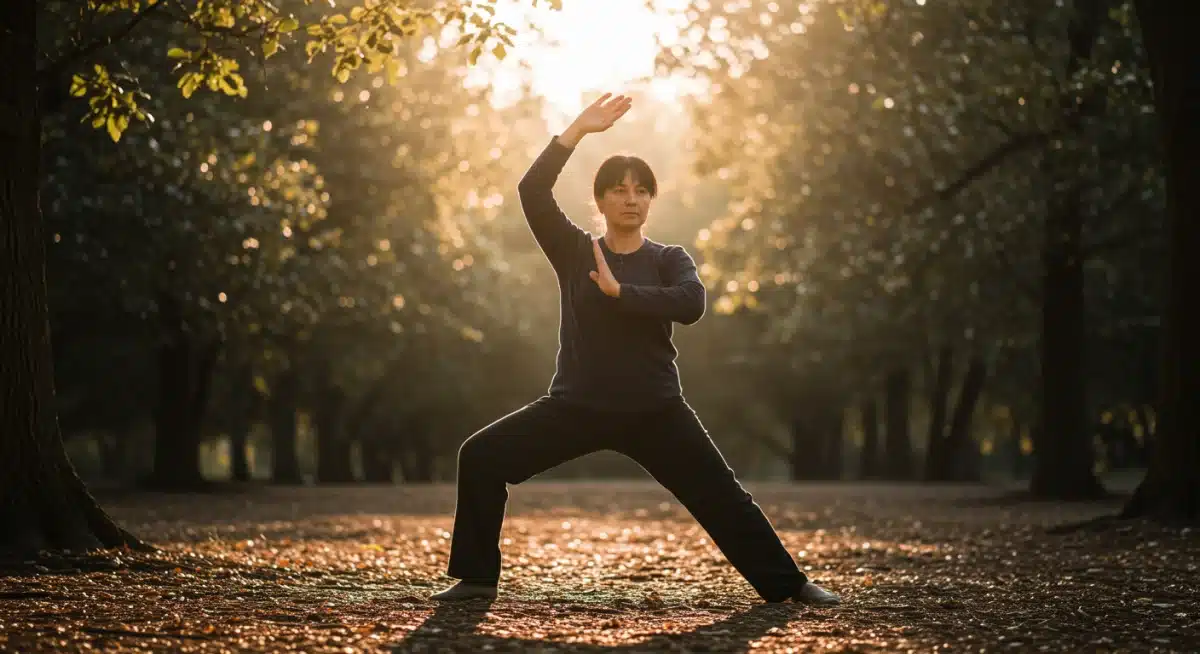
Regular Qigong practice is known to improve cardiovascular health, reduce blood pressure, strengthen the immune system, and alleviate chronic pain. Its meditative aspects also contribute significantly to stress reduction and enhanced mental well-being, making it a comprehensive practice for holistic health.
Comparing Reiki and Qigong: Similarities and Differences
While both Reiki and Qigong are potent forms of energy healing aimed at fostering holistic wellness, they approach the manipulation of life force energy from distinct perspectives. Understanding these nuances can help individuals choose the practice that best aligns with their needs and preferences.
Both modalities share the fundamental belief in an underlying life force energy crucial for health. They both seek to remove blockages, promote flow, and restore balance within this energetic system, leading to improved physical and mental states. However, their methodologies and origins diverge significantly.
Key Differences in Practice
Reiki is largely a passive experience for the recipient, who receives channeled universal energy from a practitioner. Qigong, conversely, is an active practice where the individual learns to cultivate and direct their own internal energy through specific movements, breathing, and meditation.
- Source of Energy: Reiki channels universal energy; Qigong cultivates internal energy.
- Active vs. Passive: Qigong is active self-practice; Reiki is a passive reception.
- Training: Reiki involves attunements; Qigong involves learning specific forms and principles.
Reiki typically involves one-on-one sessions with a trained practitioner, where the client relaxes and receives the healing energy. Qigong can be learned and practiced independently, often in group classes, empowering individuals to take an active role in their daily energy maintenance.
Despite these differences, both practices emphasize the importance of intention, focus, and a deep connection to one’s inner wisdom. They both aim to bring about a state of profound relaxation, which is a cornerstone for any healing process, allowing the body’s innate regenerative capacities to activate.
Holistic Wellness Benefits of Energy Healing
The pursuit of holistic wellness recognizes that health is not merely the absence of disease but a state of complete physical, mental, and social well-being. Energy healing practices like Reiki and Qigong contribute significantly to this comprehensive view of health by addressing the interconnectedness of mind, body, and spirit.
These practices move beyond symptomatic treatment, aiming to restore balance at a fundamental energetic level. The benefits often extend across multiple dimensions of an individual’s life, leading to a more integrated sense of health and vitality.
Physical and Emotional Advantages
Both Reiki and Qigong are widely recognized for their ability to reduce stress and anxiety, which are major contributors to many health issues. By calming the nervous system, they facilitate a state of deep relaxation conducive to healing and emotional release.
- Stress Reduction: Lowering cortisol levels and promoting a sense of calm.
- Pain Management: Alleviating chronic pain and discomfort through energy flow.
- Improved Sleep: Enhancing sleep quality by reducing mental agitation.
- Emotional Balance: Releasing emotional blockages and fostering inner peace.
Beyond these, practitioners often report enhanced immune function, increased energy levels, and greater mental clarity. The subtle yet profound shifts initiated by energy healing can lead to a more resilient body and a more positive outlook on life, empowering individuals to navigate daily challenges with greater ease.
The self-awareness cultivated through these practices also plays a crucial role in preventative health. By learning to tune into their body’s energetic signals, individuals can identify imbalances early on, taking proactive steps to maintain their well-being before issues escalate into more significant health concerns.
Choosing the Right Path: Reiki or Qigong?
Deciding between Reiki and Qigong depends largely on individual preferences, lifestyle, and specific health goals. Both offer profound benefits, but their distinct approaches may resonate differently with various individuals. Reflecting on what you seek from an energy healing practice can guide your choice.
If you prefer a more passive, receptive approach where you can simply relax and receive healing energy, Reiki might be more suitable. If you are inclined towards an active, self-empowering practice that involves learning specific movements and breathing techniques, Qigong could be your ideal path.
Factors to Consider
Consider the time commitment, the availability of practitioners or classes, and your comfort level with the underlying philosophies. Both practices require consistency for optimal results, whether through regular sessions or daily personal practice.
- Personal Preference: Do you prefer active participation or passive reception?
- Time Commitment: Qigong often requires consistent self-practice; Reiki involves scheduled sessions.
- Accessibility: Availability of qualified practitioners or instructors in your area.
- Health Goals: Specific conditions might respond better to one modality over the other, though both are versatile.
Many individuals find benefit in exploring both practices, either sequentially or concurrently, to discover what works best for their unique constitution. There is no one-size-fits-all answer, and the journey of self-discovery through energy healing is deeply personal.
Ultimately, the most effective energy healing practice is one that you can commit to consistently and that brings you a sense of peace, balance, and well-being. Listening to your intuition and perhaps trying introductory sessions for both can provide valuable insights into which path resonates most deeply with you.
Integrating Energy Healing into a Modern Lifestyle
In our fast-paced modern world, finding moments for stillness and self-care is more critical than ever. Energy healing practices like Reiki and Qigong offer accessible and effective ways to integrate holistic wellness into daily life, providing tools to navigate stress and maintain balance amidst demands.
Integrating these ancient practices doesn’t require a complete overhaul of your lifestyle. Even short, consistent practices can yield significant benefits, helping to create pockets of calm and restoration in an otherwise busy schedule. The key is finding what works for you and making it a sustainable habit.
Practical Tips for Integration
For Reiki, this might mean scheduling regular sessions with a trusted practitioner or learning to practice self-Reiki. For Qigong, it could involve dedicating a few minutes each morning to a simple form or attending a weekly class to deepen your understanding and practice.
- Morning Rituals: Start your day with a short Qigong sequence or self-Reiki.
- Mindful Breaks: Use breathing techniques from Qigong during work breaks.
- Bedtime Practice: Engage in gentle energy work to promote restful sleep.
- Community Engagement: Join local classes or online groups for support and motivation.
The beauty of these practices lies in their adaptability. They can be performed almost anywhere, without special equipment, making them ideal for busy individuals. By consciously choosing to incorporate energy healing, you are actively investing in your long-term health and emotional resilience.
Embracing energy healing is a journey toward greater self-awareness and empowerment. It’s about recognizing the profound connection between your energetic state and your overall well-being, and taking proactive steps to nurture that connection for a more balanced and harmonious life.
| Key Aspect | Description |
|---|---|
| Reiki Focus | Channeling universal life force energy for passive reception and healing. |
| Qigong Focus | Cultivating and guiding internal Qi through active movements, breath, and intention. |
| Shared Benefits | Stress reduction, pain management, improved sleep, and emotional balance. |
| Choosing a Practice | Depends on personal preference for passive reception vs. active self-practice. |
Frequently Asked Questions About Energy Healing
The core difference lies in their energy source and approach. Reiki involves a practitioner channeling universal energy to the client, a passive process. Qigong is an active practice where individuals cultivate and guide their own internal energy through movements, breathing, and meditation.
Yes, both practices are accessible to most individuals. Reiki requires attunement from a qualified master. Qigong can be learned through classes, workshops, or self-study, with many forms suitable for beginners regardless of physical condition.
While often considered complementary, a growing body of research supports the benefits of energy healing, particularly for stress reduction, pain management, and improving quality of life. Studies on both Reiki and Qigong have shown positive physiological and psychological effects, though more large-scale research is ongoing.
The frequency depends on individual needs and goals. For Reiki, a series of initial sessions followed by maintenance sessions is common. Qigong benefits from daily practice, even short periods, to consistently cultivate internal energy. Consistency is key for both.
No, energy healing should not replace conventional medical treatment. It is best utilized as a complementary therapy, working alongside Western medicine to support the body’s natural healing processes and enhance overall well-being. Always consult with a healthcare professional for serious health concerns.
Conclusion
The exploration of Energy Healing Explained: A Comparison of Reiki vs. Qigong for Holistic Wellness Benefits reveals two powerful yet distinct pathways to fostering profound well-being. Both practices, rooted in ancient wisdom, offer invaluable tools for navigating the complexities of modern life by addressing the subtle energetic dimensions of our health. Whether you are drawn to the gentle, receptive nature of Reiki or the active, self-empowering movements of Qigong, embracing either can lead to a deeper connection with your inner self, reduced stress, and an enhanced sense of vitality. Ultimately, the journey into energy healing is a testament to the body’s innate capacity for self-repair and the universal quest for balance and harmony.