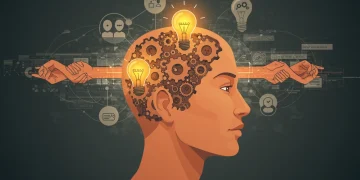
Unlock Your Potential: Resilience & Fortitude by 2026

Unlock your potential and build unwavering resilience and mental fortitude by 2026 by embracing adaptability, mastering emotional regulation, and committing to purposeful action, fostering profound personal growth and sustained well-being.
Are you ready to truly unlock your potential: 3 insider strategies for building resilience and mental fortitude by 2026? In a world constantly shifting beneath our feet, developing an unshakeable inner core isn’t just an aspiration; it’s a necessity. This article will guide you through actionable strategies to cultivate a robust mental landscape, ensuring you’re not just surviving, but thriving, no matter what comes your way.
Understanding Resilience and Mental Fortitude
Resilience and mental fortitude are often used interchangeably, but they represent distinct yet complementary aspects of our inner strength. Resilience is our capacity to bounce back from adversity, to adapt and recover after experiencing setbacks or stress. It’s the ability to bend without breaking, to learn from challenges, and to emerge stronger on the other side. Mental fortitude, on the other hand, is the unwavering resolve and inner strength that allows us to persevere through difficult situations, maintain focus on our goals, and resist the urge to give up when faced with obstacles. It’s the steadfastness of character that supports sustained effort and determination.
While resilience is about recovery and adaptation, mental fortitude is about endurance and unwavering commitment. Together, they form a powerful synergy that equips individuals to navigate life’s complexities with greater ease and effectiveness. Recognizing the nuances between these two concepts is the first step toward intentionally developing both. Building both simultaneously creates a holistic approach to psychological well-being, enabling not just survival but profound personal growth.
The Interplay of Mindset and Environment
Our mindset profoundly influences both our resilience and mental fortitude. A growth mindset, for instance, views challenges as opportunities for learning and development, rather than insurmountable barriers. This perspective fosters a willingness to embrace difficulty and persist in the face of failure. Conversely, a fixed mindset can lead to avoidance and a quicker surrender when things get tough. Our environment also plays a critical role, shaping the types of challenges we encounter and the resources available to us for coping. A supportive community, access to education, and stable living conditions can all contribute to a stronger foundation for developing these crucial traits.
- Growth Mindset: Embracing challenges as learning opportunities.
- Supportive Networks: Leveraging social connections for emotional backing.
- Resourcefulness: Identifying and utilizing available tools and support systems.
- Self-Compassion: Treating oneself with kindness during difficult times.
Ultimately, understanding these foundational concepts helps us appreciate that building resilience and mental fortitude isn’t about avoiding hardship, but about cultivating the internal and external resources to navigate it skillfully. It’s a continuous journey of self-discovery and intentional development, paving the way for a more fulfilling and empowered existence.
Strategy 1: Cultivating Adaptability and Cognitive Flexibility
The first insider strategy for building resilience and mental fortitude by 2026 is to cultivate adaptability and cognitive flexibility. In an increasingly unpredictable world, the ability to adjust to new circumstances and think outside conventional frameworks is paramount. This isn’t merely about accepting change; it’s about actively embracing it, seeing disruptions not as threats but as fertile ground for innovation and personal evolution. Adaptability allows us to pivot quickly when plans go awry, minimizing stress and maximizing opportunities for growth.
Cognitive flexibility, a core component of adaptability, refers to our brain’s capacity to switch between thinking about two different concepts, or to think about multiple concepts simultaneously. It involves being able to shift perspectives, generate alternative solutions, and learn from new information without being rigidly attached to old patterns. Developing this skill is crucial for navigating complex problems, making sound decisions under pressure, and maintaining a proactive stance in dynamic environments. It moves us beyond reactive responses to a state of agile engagement.
Embracing Change as an Opportunity
To cultivate adaptability, it’s essential to reframe our perception of change. Instead of viewing it with apprehension, consider it a natural, inevitable force that brings with it new possibilities. This shift in perspective can be achieved through deliberate practices that challenge our comfort zones and encourage us to explore novel approaches. Regularly engaging in new activities, learning diverse skills, or even altering daily routines can help loosen the grip of rigid thinking and foster a more fluid mindset. The goal is to develop a comfort with discomfort, seeing it as a signal for growth rather pulback.
- Seek Novel Experiences: Try new hobbies, travel to unfamiliar places, or learn a new language.
- Practice Problem-Solving: Actively look for different angles to address personal or professional challenges.
- Challenge Assumptions: Question your own beliefs and those of others to broaden your understanding.
- Engage in Reflective Practice: Regular self-reflection helps identify rigid thought patterns and areas for growth.
By consciously integrating these practices into our lives, we gradually enhance our cognitive flexibility, making us more adept at navigating uncertainty. This proactive approach not only builds resilience but also strengthens our mental fortitude, preparing us to face future challenges with confidence and an open mind. The ability to adapt quickly and think flexibly becomes a superpower in a rapidly evolving world, making us unstoppable in our pursuit of goals.
Strategy 2: Mastering Emotional Regulation and Self-Awareness
The second crucial strategy for building resilience and mental fortitude by 2026 is mastering emotional regulation and self-awareness. Our emotional landscape significantly impacts our ability to cope with stress and persist through difficulties. Self-awareness involves understanding our own emotions, thoughts, and values, and recognizing how they influence our behavior. It’s the foundation upon which effective emotional regulation is built, allowing us to identify emotional triggers and develop healthier responses. Without self-awareness, we often become reactive, letting our emotions dictate our actions rather than consciously choosing our path.
Emotional regulation, therefore, is the ability to manage and respond to an emotional experience in a manner that is socially tolerable and flexible enough to permit spontaneous reactions, as well as the ability to delay spontaneous reactions as needed. It doesn’t mean suppressing emotions, but rather understanding them, acknowledging their presence, and choosing how to respond constructively. This skill is vital for maintaining composure under pressure, preventing emotional overwhelm, and fostering healthy relationships, all of which contribute significantly to both resilience and mental fortitude. It allows us to process difficult feelings without being consumed by them.

Techniques for Emotional Management
Developing emotional regulation involves a combination of mindfulness, cognitive reappraisal, and conscious behavioral choices. Mindfulness practices, such as meditation and deep breathing, help us observe our emotions without judgment, creating a space between stimulus and response. Cognitive reappraisal involves changing the way we think about a situation to alter its emotional impact. For example, reframing a perceived failure as a learning opportunity can transform feelings of disappointment into motivation. These techniques empower us to take control of our inner world, rather than being controlled by it.
- Mindfulness Meditation: Regular practice to observe thoughts and feelings without judgment.
- Journaling: A powerful tool for exploring emotions and identifying patterns.
- Cognitive Reappraisal: Actively reinterpreting challenging situations to reduce negative emotional impact.
- Deep Breathing Exercises: Immediate techniques to calm the nervous system during intense emotional states.
By consistently practicing self-awareness and emotional regulation, we build an internal compass that guides us through emotional storms. This mastery not only enhances our personal well-being but also strengthens our capacity to handle external pressures, making us more resilient and mentally fortified in the face of life’s inevitable ups and downs. It’s about cultivating a serene inner core that remains stable even amidst external chaos, a true testament to inner strength.
Strategy 3: Embracing Purposeful Action and Consistent Self-Care
The third essential strategy for building resilience and mental fortitude by 2026 involves embracing purposeful action and consistent self-care. Having a clear sense of purpose provides direction and motivation, especially when navigating difficult terrain. When our actions align with our core values and long-term goals, we are more likely to persevere through setbacks, as each effort contributes to something meaningful. Purpose acts as an anchor, keeping us grounded and focused amidst uncertainty, reinforcing our resolve and strengthening our mental fortitude.
However, purposeful action alone is not sustainable without a robust foundation of self-care. Consistent self-care is not a luxury but a fundamental requirement for maintaining both physical and mental energy. It involves prioritizing activities that replenish our resources, manage stress, and promote overall well-being. This includes adequate sleep, nutritious eating, regular physical activity, and engaging in hobbies that bring joy and relaxation. Neglecting self-care can quickly deplete our reserves, making us more vulnerable to stress and less capable of demonstrating resilience.
Designing a Personalized Self-Care Routine
A truly effective self-care routine is personalized, recognizing that what works for one person may not work for another. It requires self-awareness to identify what genuinely recharges you and discipline to integrate these practices consistently. This isn’t about grand gestures, but about small, deliberate actions that accumulate over time. Think of it as investing in your personal energy bank, ensuring you have sufficient reserves to meet life’s demands. Establishing clear boundaries, learning to say no, and delegating tasks are also vital components of protecting your energy and mental space.
- Prioritize Sleep: Aim for 7-9 hours of quality sleep nightly to support cognitive function and emotional balance.
- Nutritional Wellness: Fuel your body with balanced meals that provide sustained energy.
- Regular Physical Activity: Exercise is a powerful stress reliever and mood booster.
- Mindful Downtime: Schedule time for hobbies, relaxation, and disconnecting from digital devices.
- Setting Boundaries: Protect your time and energy by clearly defining limits in personal and professional relationships.
By consciously integrating purposeful action with consistent self-care, we create a powerful feedback loop. Our purpose drives us forward, while self-care ensures we have the energy and mental clarity to sustain that journey. This dual approach not only builds formidable resilience and mental fortitude but also cultivates a deeply fulfilling and balanced life, making us prepared for whatever the future holds.
The Role of Mindset in Long-Term Development
A critical, overarching element in building lasting resilience and mental fortitude by 2026 is the cultivation of a robust and adaptable mindset. Our mindset acts as a filter through which we perceive and interpret the world, directly influencing our emotional responses and behavioral choices. A positive and growth-oriented mindset enables us to view challenges as opportunities for learning and development, rather than insurmountable obstacles. This perspective is not about ignoring difficulties, but about approaching them with a sense of agency and optimism, believing in our capacity to overcome them.
Conversely, a fixed or pessimistic mindset can severely hinder our progress, leading to feelings of helplessness and a quicker surrender in the face of adversity. It’s the difference between saying, “I can’t do this,” and “How can I do this?” This internal dialogue shapes our reality and determines our capacity for sustained effort. Developing a resilient mindset involves actively challenging negative thought patterns, practicing gratitude, and focusing on solutions rather than dwelling on problems. It’s a continuous process of self-correction and intentional thought cultivation that underpins all other strategies for building inner strength.
Practical Steps to Shift Your Mindset
Shifting your mindset isn’t an overnight process; it requires consistent effort and deliberate practice. One effective technique is cognitive restructuring, where you identify and challenge irrational or unhelpful thoughts, replacing them with more balanced and realistic ones. Another powerful tool is visualization, where you mentally rehearse successful outcomes, building confidence and reinforcing a positive self-image. Engaging with inspiring content, whether through books, podcasts, or mentors, can also provide fresh perspectives and foster a more optimistic outlook. The key is to be proactive in shaping your internal narrative.
- Cognitive Restructuring: Identify and challenge negative thoughts, replacing them with positive affirmations.
- Visualization: Mentally rehearse success and positive outcomes to build confidence.
- Gratitude Practice: Regularly acknowledge things you are thankful for to foster positivity.
- Learning and Growth: Engage in continuous learning to expand your knowledge and perspective.
By consciously working on our mindset, we create a powerful internal environment that supports the development of both resilience and mental fortitude. It becomes the bedrock upon which all other strategies are built, ensuring that our efforts to adapt, regulate emotions, and act purposefully are sustained over the long term. A strong mindset allows us to not only endure but to truly flourish, transforming challenges into stepping stones toward greater personal fulfillment.
Integrating Strategies for Holistic Growth
The true power of these strategies for resilience and mental fortitude by 2026 lies not in implementing them in isolation, but in their synergistic integration. Cultivating adaptability, mastering emotional regulation, and embracing purposeful action with consistent self-care are interconnected pillars that support holistic personal growth. When combined, they create a comprehensive framework for navigating life’s challenges with grace and strength. For instance, enhanced self-awareness (emotional regulation) allows us to better identify when we need to adapt (adaptability), while a clear purpose fuels our commitment to self-care, ensuring we have the energy to pursue our goals.
This integrated approach means that improvements in one area naturally reinforce others. As we become more adept at managing our emotions, we find it easier to adapt to unexpected changes. As we commit to purposeful actions, our motivation to maintain self-care routines strengthens. This creates a virtuous cycle of growth, where each positive step builds momentum for the next. The goal is to move beyond simply coping with stress to actively cultivating a life of meaning, balance, and unwavering inner strength. This holistic view ensures that our efforts are not fragmented but contribute to a unified sense of well-being.
Building a Personalized Action Plan
To effectively integrate these strategies, it’s beneficial to develop a personalized action plan. Start by assessing your current strengths and areas for development in each of the three strategic domains. For adaptability, identify situations where you tend to resist change. For emotional regulation, pinpoint common emotional triggers and your typical responses. For purposeful action and self-care, evaluate your current routines and how well they align with your values and energy levels. This self-assessment provides a clear starting point for targeted improvement.
- Self-Assessment: Identify personal strengths and weaknesses in adaptability, emotional regulation, and self-care.
- Goal Setting: Establish specific, measurable, achievable, relevant, and time-bound goals for each strategy.
- Daily Practices: Incorporate small, consistent habits that reinforce each pillar (e.g., daily mindfulness, weekly new learning).
- Regular Review: Periodically review your progress, celebrate successes, and adjust your plan as needed.
By consciously integrating these strategies into our daily lives, we move beyond theoretical understanding to practical application. This continuous process of self-improvement not only builds formidable resilience and mental fortitude but also fosters a deeper connection with ourselves and our purpose. The holistic growth achieved through this integration prepares us to face any future with confidence, ensuring we are well-equipped to thrive and unlock our fullest potential by 2026 and beyond.
Sustaining Your Inner Strength Beyond 2026
Building resilience and mental fortitude is not a destination but an ongoing journey. To sustain your inner strength beyond 2026, it’s crucial to adopt a mindset of continuous learning and adaptation. The strategies discussed—cultivating adaptability, mastering emotional regulation, and embracing purposeful action with self-care—are foundational, but their application must evolve with life’s changing demands. This involves regularly reassessing your personal needs, refining your practices, and remaining open to new insights and tools that can further enhance your well-being. Sustaining these qualities means actively engaging in your personal growth journey, rather than passively maintaining a status quo.
One key aspect of long-term sustainability is the establishment of robust support systems. This includes nurturing meaningful relationships with friends, family, and mentors who can offer encouragement, perspective, and practical assistance during challenging times. A strong social network provides a buffer against stress and loneliness, reinforcing your emotional resilience. Additionally, engaging in community activities or contributing to causes you care about can provide a sense of belonging and purpose, further strengthening your mental fortitude. These external resources become vital complements to your internal strengths, creating a comprehensive network of support.
The Power of Reflective Practice and Adjustment
To ensure sustained growth, regular reflective practice is indispensable. Take time periodically to review your progress, acknowledge your achievements, and identify areas where you might need to adjust your approach. This could involve journaling about your experiences, engaging in self-reflection exercises, or seeking feedback from trusted individuals. The ability to critically evaluate your strategies and make necessary modifications is a hallmark of true mental agility. It prevents stagnation and ensures that your methods remain relevant and effective in an ever-changing world. This iterative process of reflection and adjustment is what transforms temporary gains into enduring strengths.
- Maintain Support Networks: Regularly connect with friends, family, and mentors for emotional and practical support.
- Engage in Community: Participate in activities that foster belonging and contribute to a greater good.
- Continuous Learning: Stay curious, read widely, and seek new knowledge to expand your perspectives.
- Periodic Self-Assessment: Regularly evaluate your progress and adjust your strategies as life evolves.
By embracing a mindset of continuous improvement and actively nurturing your internal and external resources, you can ensure that the resilience and mental fortitude you build by 2026 will not only endure but flourish for years to come. This commitment to ongoing self-development transforms inner strength into a lifelong asset, empowering you to meet future challenges with confidence and an unshakeable spirit.
| Key Strategy | Brief Description |
|---|---|
| Cultivating Adaptability | Embracing change and developing cognitive flexibility to navigate new situations effectively. |
| Mastering Emotional Regulation | Understanding and managing emotions through self-awareness and constructive responses. |
| Embracing Purposeful Action | Aligning actions with core values and goals, supported by consistent self-care practices. |
| Sustaining Inner Strength | Continuous learning, strong support networks, and reflective practice beyond initial development. |
Frequently Asked Questions About Resilience and Fortitude
Resilience refers to the ability to recover and adapt after setbacks, bouncing back from adversity. Mental fortitude, conversely, is the unwavering inner strength to persevere through difficulties and maintain focus on goals despite obstacles. They are complementary, with resilience focusing on recovery and fortitude on endurance.
Begin by seeking novel experiences, such as trying new hobbies or learning new skills. Actively challenge your assumptions and practice problem-solving from different perspectives. Deliberately alter small daily routines to foster a comfort with discomfort, gradually enhancing your cognitive flexibility.
Effective techniques include mindfulness meditation to observe emotions non-judgmentally, journaling to explore feelings, cognitive reappraisal to reframe challenging situations, and deep breathing exercises for immediate calming. These tools help manage emotional responses constructively.
Self-care is crucial because it replenishes physical and mental energy reserves, managing stress and preventing emotional depletion. Without consistent self-care, purposeful action becomes unsustainable, making individuals more vulnerable to challenges and less capable of demonstrating resilience and fortitude.
Sustaining inner strength requires a mindset of continuous learning, regular self-assessment, and refinement of practices. Nurture strong support systems, engage in community, and conduct periodic reflective practices to adjust your approach, ensuring ongoing growth and adaptability.
Conclusion
The journey to unlock your potential: 3 insider strategies for building resilience and mental fortitude by 2026 is a transformative one, requiring deliberate effort and consistent practice. By cultivating adaptability and cognitive flexibility, mastering emotional regulation and self-awareness, and embracing purposeful action alongside rigorous self-care, you are not merely preparing for future challenges; you are actively shaping a more empowered and fulfilling existence. These strategies, when integrated holistically and sustained through ongoing commitment, form an unshakeable foundation for navigating life’s complexities with grace, strength, and an unwavering spirit. The path to profound personal growth is clear, and the time to begin is now.