Stress Reduction Techniques 2026: 30% Anxiety Decrease in 3 Months
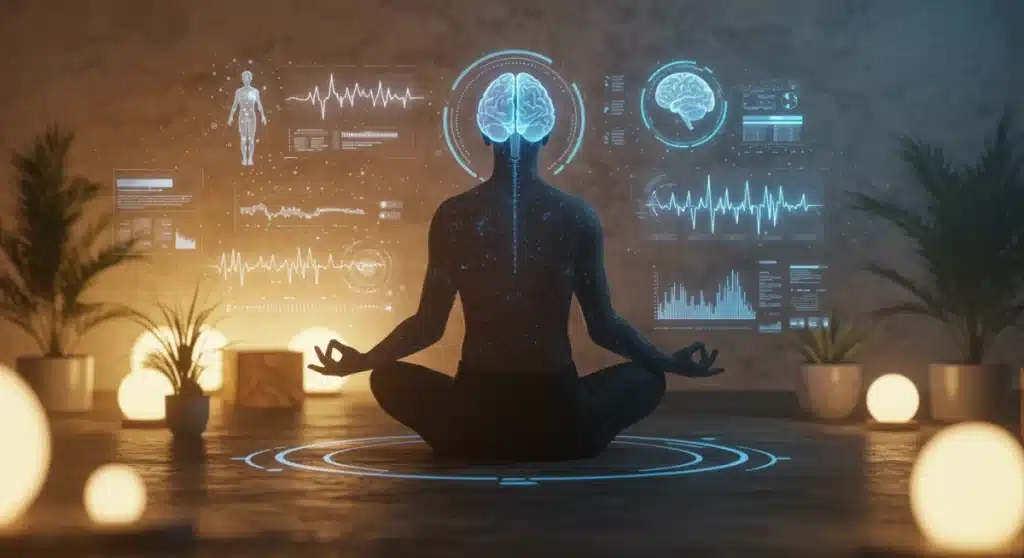
Achieving a 30% decrease in anxiety levels within three months in 2026 is attainable through a combination of personalized stress reduction techniques, integrating advanced technology with timeless mindfulness practices for optimal mental well-being.
Are you looking for effective stress reduction techniques for 2026 that promise a tangible impact on your well-being? In a world that constantly demands our attention, finding genuine peace can feel like an uphill battle. This article delves into insider knowledge, offering a strategic roadmap to achieve a remarkable 30% decrease in anxiety levels within just three months, empowering you to reclaim your calm and improve your overall quality of life.
Understanding the Modern Stress Landscape and Its Impact
The year 2026 presents a unique set of stressors, from the accelerated pace of technological advancements to evolving societal pressures. Recognizing these modern challenges is the first step toward effective stress management. Chronic stress isn’t merely an inconvenience; it significantly impacts physical health, cognitive function, and emotional stability, making targeted intervention crucial.
Understanding how stress manifests in your daily life is pivotal. It can appear as persistent fatigue, difficulty concentrating, irritability, or even physical ailments like headaches and digestive issues. The insidious nature of chronic stress means it often goes unnoticed until it has already taken a considerable toll. A proactive approach involves identifying these triggers and understanding your body’s unique response patterns.
The Physiological Toll of Unchecked Stress
When stress becomes chronic, our bodies remain in a constant state of alert, releasing hormones like cortisol and adrenaline. This sustained activation can lead to a cascade of negative health outcomes, from weakened immune function to increased risk of cardiovascular disease. It also impairs cognitive processes, making decision-making harder and memory less reliable.
- Immune System Suppression: Prolonged stress weakens the body’s defenses, making it more susceptible to illness.
- Cardiovascular Strain: Elevated heart rate and blood pressure increase the risk of heart disease and stroke.
- Cognitive Impairment: Chronic stress can reduce concentration, memory, and problem-solving abilities.
- Mental Health Deterioration: It often exacerbates conditions like depression and anxiety disorders.
By gaining a deeper understanding of the modern stress landscape and its profound physiological and psychological impacts, individuals can better appreciate the urgency and necessity of adopting effective stress reduction techniques. This foundational knowledge empowers us to move beyond superficial fixes and embrace comprehensive strategies for lasting well-being.
Personalized Biometric Feedback: Your Stress Blueprint
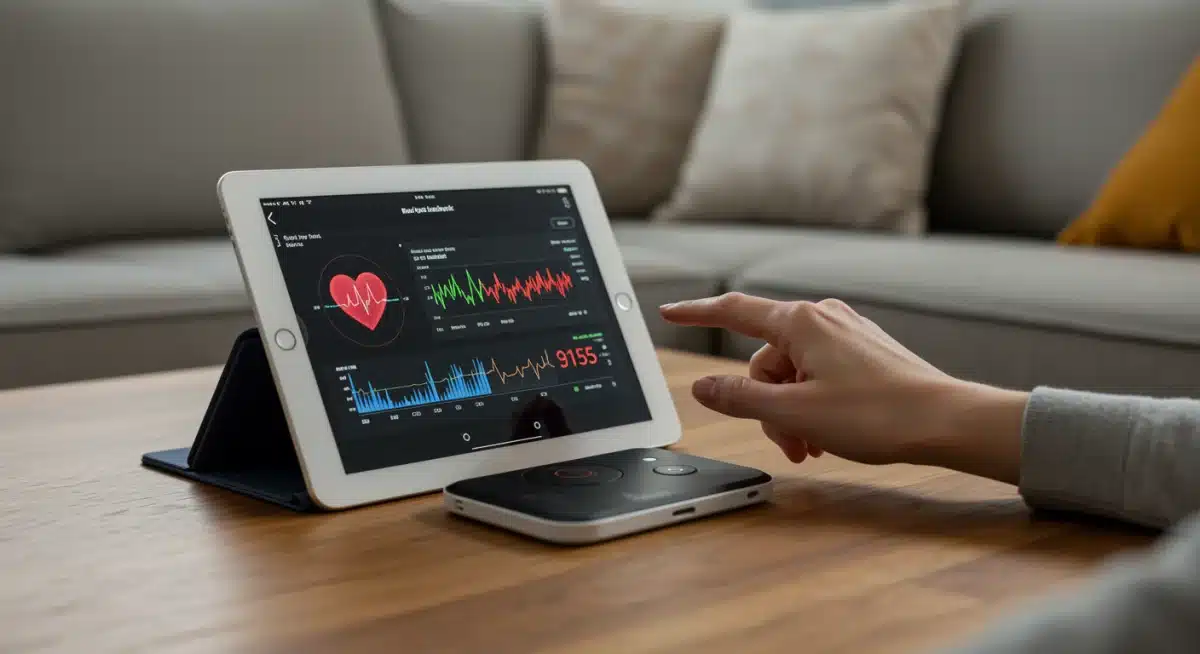
In 2026, generic advice is being replaced by highly personalized approaches, especially in stress reduction. Biometric feedback tools are revolutionizing how we understand and manage our stress responses. These advanced devices, often integrated with wearables and smartphone apps, provide real-time data on physiological indicators such as heart rate variability (HRV), skin conductance, and brainwave patterns. This granular data allows for a truly personalized stress management plan.
Imagine knowing precisely how a specific activity or thought pattern affects your stress levels. Biometric feedback makes this possible, offering insights that were once confined to clinical settings. By tracking these subtle changes, individuals can identify their unique stress triggers and learn to modulate their physiological responses effectively. This scientific approach moves beyond guesswork, providing actionable data for measurable improvement.
Leveraging HRV for Anxiety Reduction
Heart Rate Variability (HRV) is a particularly powerful metric. It measures the variation in time between your heartbeats and is a key indicator of autonomic nervous system balance. A higher HRV generally signifies better resilience to stress, while a lower HRV can indicate chronic stress or fatigue. Training to improve HRV has shown significant promise in reducing anxiety.
- Real-time Monitoring: Wearable devices provide continuous HRV data, revealing patterns throughout the day.
- Guided Breathing Exercises: Apps offer structured breathing exercises designed to optimize HRV.
- Biofeedback Training: Specialized programs teach individuals to consciously regulate their physiological responses to stress.
- Personalized Insights: Data analysis helps identify activities and environments that positively or negatively impact HRV.
The integration of personalized biometric feedback into daily routines offers an unprecedented level of insight into individual stress responses. By understanding our unique stress blueprint, we can tailor interventions that are truly effective, paving the way for a more resilient and less anxious future. This personalized approach is a cornerstone of modern stress reduction strategies.
Neurofeedback and Brainwave Optimization for Calm
Beyond traditional methods, neurofeedback is emerging as a powerful tool in 2026 for directly training the brain to achieve calmer states. This non-invasive technique uses sensors to monitor brainwave activity, providing real-time feedback that helps individuals learn to self-regulate their brain patterns. By optimizing specific brainwave frequencies associated with relaxation and focus, neurofeedback can significantly reduce anxiety and improve emotional regulation.
The premise is simple yet profound: by seeing your brainwave activity represented visually or audibly, you learn to consciously shift into more beneficial states. For example, reducing excessive high-beta waves (often linked to anxiety) and increasing alpha or theta waves (associated with relaxation and meditation) can fundamentally alter your stress response. This direct brain training offers a sustainable path to enhanced mental resilience.
Targeted Brainwave Training Protocols
Different neurofeedback protocols target various brainwave frequencies to address specific aspects of stress and anxiety. These protocols are often customized based on an individual’s unique brainwave profile and their specific challenges. The goal is to create a more balanced and harmonious brain state, leading to a profound sense of calm and well-being.
- Alpha-Theta Training: Promotes deep relaxation, creativity, and access to subconscious insights, ideal for reducing generalized anxiety.
- SMR (Sensorimotor Rhythm) Training: Enhances focus and reduces impulsivity, indirectly helping manage stress by improving cognitive control.
- Delta Wave Regulation: Can improve sleep quality, which is crucial for overall stress resilience.
- Gamma Wave Modulation: Associated with higher-level cognitive processing and can improve emotional regulation when balanced.
Neurofeedback represents a cutting-edge approach to stress reduction, moving beyond symptom management to address the underlying neurological patterns that contribute to anxiety. By actively training the brain, individuals can cultivate a more resilient and peaceful mind, making it a cornerstone of advanced stress management in 2026.
Mindfulness and Digital Detox: Reclaiming Focus
While technology offers powerful new tools, the timeless practice of mindfulness remains indispensable for stress reduction in 2026. However, its application is evolving to address the pervasive digital distractions of our era. Integrating mindfulness with strategic digital detox periods is crucial for reclaiming focus, reducing cognitive overload, and fostering inner peace.
Mindfulness, at its core, is about bringing present-moment awareness to our experiences without judgment. When applied to our digital lives, it means consciously engaging with technology rather than passively consuming it. This involves setting boundaries, practicing intentional use, and regularly disconnecting to allow the mind to rest and recalibrate. A digital detox isn’t about abandoning technology but about using it mindfully.
Strategies for Mindful Digital Engagement
Effective digital detox doesn’t require extreme measures but rather consistent, conscious choices. Small, regular breaks from screens can significantly reduce mental fatigue and improve mental clarity. These practices help to interrupt the constant stimulation that often fuels anxiety and contributes to a feeling of being overwhelmed.
- Scheduled Screen Breaks: Designate specific times each day to be completely screen-free, even for short periods.
- Mindful Social Media Use: Engage with social platforms intentionally, avoiding mindless scrolling and comparing yourself to others.
- Notification Management: Turn off unnecessary notifications to reduce interruptions and reclaim your attention.
- Tech-Free Zones: Establish areas in your home, like the bedroom, where digital devices are not permitted.
By blending ancient mindfulness practices with modern digital detox strategies, individuals can create a balanced relationship with technology that supports, rather than detracts from, their mental well-being. This dual approach is essential for navigating the complexities of 2026 while cultivating a profound sense of calm and focused awareness.
Nutritional Psychiatry and Gut-Brain Axis Optimization
The connection between our diet and mental health, particularly the gut-brain axis, is gaining unprecedented attention in 2026 as a critical component of stress reduction. Nutritional psychiatry explores how the food we eat can directly influence our mood, cognitive function, and stress resilience. Optimizing gut health has emerged as a powerful, yet often overlooked, strategy for reducing anxiety.
Our gut microbiome, a complex ecosystem of trillions of microorganisms, communicates directly with the brain through various pathways. An imbalanced gut can contribute to inflammation, neurotransmitter imbalances, and heightened stress responses. Therefore, a diet rich in diverse, whole foods that support a healthy gut flora is not just good for physical health but is foundational for mental well-being and anxiety reduction.
Dietary Pillars for a Calmer Mind
Focusing on specific food groups and nutrients can significantly impact mental health. Incorporating anti-inflammatory foods, probiotics, and foods rich in omega-3 fatty acids can foster a healthier gut-brain connection, leading to a measurable decrease in anxiety symptoms. This holistic approach emphasizes nourishing the body to calm the mind.
- Probiotic-Rich Foods: Fermented foods like yogurt, kefir, sauerkraut, and kimchi introduce beneficial bacteria to the gut.
- Prebiotic Fibers: Found in garlic, onions, asparagus, and bananas, these feed the good bacteria in your gut.
- Omega-3 Fatty Acids: Abundant in fatty fish, flaxseeds, and walnuts, they reduce inflammation and support brain function.
- Magnesium-Rich Foods: Leafy greens, nuts, seeds, and dark chocolate help regulate neurotransmitters and promote relaxation.
By consciously optimizing our gut-brain axis through targeted nutritional strategies, we can establish a powerful internal defense against stress and anxiety. This approach, rooted in the science of nutritional psychiatry, offers a sustainable and delicious path to profound mental well-being, proving that what we eat truly impacts how we feel.
Strategic Rest and Recovery: The Power of Sleep and Downtime
In the relentless pace of 2026, strategic rest and recovery are no longer luxuries but essential components of any effective stress reduction plan. Quality sleep and intentional downtime are critical for mental and physical restoration, directly impacting our ability to cope with stressors and maintain emotional balance. Neglecting these aspects can quickly undermine all other efforts to reduce anxiety.
Sleep is not merely a period of inactivity; it is an active process during which the brain repairs itself, consolidates memories, and processes emotions. Chronic sleep deprivation elevates cortisol levels, impairs cognitive function, and significantly increases susceptibility to anxiety. Similarly, intentional downtime, distinct from sleep, allows for mental decompression and creative replenishment, preventing burnout and fostering resilience.
Optimizing Your Recovery Regimen
Creating an effective rest and recovery regimen involves more than just aiming for a certain number of hours in bed. It requires cultivating healthy sleep habits, known as sleep hygiene, and actively scheduling periods of genuine relaxation and non-productive activity. Both are vital for achieving a 30% decrease in anxiety levels within three months.
- Consistent Sleep Schedule: Go to bed and wake up at the same time each day, even on weekends, to regulate your circadian rhythm.
- Pre-Sleep Rituals: Establish a calming routine before bed, such as reading, a warm bath, or light stretching, to signal to your body it’s time to wind down.
- Digital Sunset: Avoid screens for at least an hour before bedtime to minimize blue light exposure, which can disrupt melatonin production.
- Scheduled Downtime: Block out time in your calendar for non-work, non-obligation activities that you genuinely enjoy, allowing your mind to wander and recharge.
Prioritizing strategic rest and recovery is a non-negotiable aspect of sustainable stress reduction. By honoring our body’s need for adequate sleep and intentional downtime, we empower ourselves to face the demands of modern life with greater resilience, clarity, and a significantly reduced burden of anxiety.
| Key Technique | Brief Description |
|---|---|
| Personalized Biometric Feedback | Utilizes real-time data from wearables (e.g., HRV) to tailor stress management and identify triggers. |
| Neurofeedback & Brainwave Optimization | Trains the brain to self-regulate brainwave activity for calmer states, reducing anxiety. |
| Mindfulness & Digital Detox | Combines present-moment awareness with strategic breaks from digital devices to reclaim focus. |
| Nutritional Psychiatry | Optimizes gut health through diet to positively influence mood, cognitive function, and stress resilience. |
Frequently Asked Questions About Stress Reduction in 2026
Personalized biometric feedback, particularly through advanced HRV monitoring and biofeedback training, is proving to be exceptionally effective. It provides real-time data to help individuals understand and consciously regulate their physiological stress responses, moving beyond generic advice to tailored interventions for rapid improvement.
While individual results vary, neurofeedback offers a high potential for significant anxiety reduction. By directly training brainwave patterns associated with calm and focus, many individuals experience substantial improvements, often exceeding the 30% target, especially when combined with other holistic practices like mindfulness and proper nutrition.
Digital detox, when combined with mindfulness, helps reduce cognitive overload and constant stimulation. By setting boundaries with technology and intentionally disconnecting, individuals can reclaim mental clarity, improve focus, and prevent the digital fatigue that often exacerbates anxiety in our increasingly connected world.
Nutritional psychiatry highlights the critical link between gut health and mental well-being. A balanced diet rich in probiotics, prebiotics, and omega-3 fatty acids optimizes the gut-brain axis, reducing inflammation and balancing neurotransmitters. This directly contributes to improved mood, reduced anxiety, and enhanced stress resilience.
Yes, the techniques discussed, especially when integrated into a holistic lifestyle, are designed for long-term sustainability. The goal is not just temporary relief but building lasting resilience. Consistent practice of personalized biometric feedback, neurofeedback, mindfulness, healthy nutrition, and strategic rest fosters enduring mental well-being.
Conclusion
Achieving a 30% decrease in anxiety levels within three months in 2026 is an ambitious yet entirely attainable goal, especially when armed with the insider knowledge and advanced techniques discussed. By embracing personalized biometric feedback, leveraging neurofeedback, integrating mindfulness with strategic digital detox, optimizing gut health through nutritional psychiatry, and prioritizing strategic rest, individuals can forge a powerful, multi-faceted defense against the modern stress landscape. These strategies move beyond superficial fixes, offering a holistic and scientifically informed pathway to profound and lasting well-being. The journey to a calmer, more resilient self begins with intentional action and a commitment to these transformative practices.