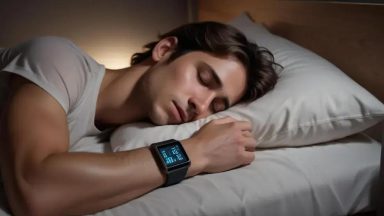
Sleep optimization in 2026 involves leveraging personalized data, advanced technology, and holistic approaches to enhance sleep quality, enabling individuals to gain at least an hour of restorative rest nightly.
Are you constantly chasing that elusive extra hour of sleep? In 2026, the science of sleep has evolved, offering innovative strategies to achieve truly restorative rest. This article delves into the latest advancements in sleep optimization 2026, providing actionable insights to help you reclaim valuable hours of quality sleep every single night.
Understanding the Evolving Landscape of Sleep Science
The journey to better sleep starts with understanding its complex nature. Sleep is not merely a period of inactivity; it’s a dynamic state crucial for physical and mental restoration. Recent breakthroughs in chronobiology and neuroscience have shed new light on how our bodies regulate sleep and how external factors, from light exposure to diet, profoundly influence its quality.
In 2026, research continues to emphasize the individualized nature of sleep. What works for one person might not be effective for another, highlighting the importance of personalized approaches. We’re moving beyond generic advice to tailored solutions that consider genetics, lifestyle, and environmental factors.
The Role of Circadian Rhythms and Genes
Our internal biological clock, the circadian rhythm, dictates our sleep-wake cycle. Disruptions to this rhythm, often caused by irregular schedules or artificial light, can severely impact sleep quality. Understanding your unique chronotype and aligning your daily activities accordingly is a cornerstone of modern sleep optimization.
- Personalized Chronotype Assessment: Utilize advanced apps and even genetic tests to pinpoint your natural sleep tendencies.
- Light Exposure Management: Strategically expose yourself to natural light in the morning and minimize blue light exposure in the evening.
- Consistent Sleep Schedule: Adhere to a regular bedtime and wake-up time, even on weekends, to reinforce your circadian clock.
The science of sleep is constantly advancing, revealing deeper connections between our genetic makeup and our sleep patterns. This personalized understanding allows for more precise interventions, moving us closer to achieving truly optimal rest.
Leveraging Advanced Sleep Technology for Deeper Rest
The technological landscape of sleep has exploded, offering an array of devices and applications that provide unprecedented insights into our nightly patterns. From sophisticated wearables to smart mattresses, these tools are central to effective sleep optimization 2026, helping us understand and improve our sleep.
These technologies go beyond simple tracking, offering personalized recommendations and interventions. They empower individuals to take a proactive role in managing their sleep health, transforming abstract concepts into actionable data points.
Smart Wearables and Biometric Tracking
Wearable devices have become incredibly accurate, monitoring everything from heart rate variability and respiratory rate to skin temperature and oxygen saturation. This wealth of data provides a comprehensive picture of sleep stages and overall sleep health.
- Sleep Stage Analysis: Understand how much time you spend in light, deep, and REM sleep.
- Recovery Metrics: Track physiological indicators of recovery to gauge sleep’s restorative impact.
- Personalized Coaching: Receive tailored advice based on your sleep data to improve habits.
Beyond wearables, smart mattresses integrate sensors that analyze movement, breathing, and heart rate without direct contact. Some even adjust firmness or temperature in real-time to optimize comfort and minimize disturbances, creating a truly adaptive sleep environment.
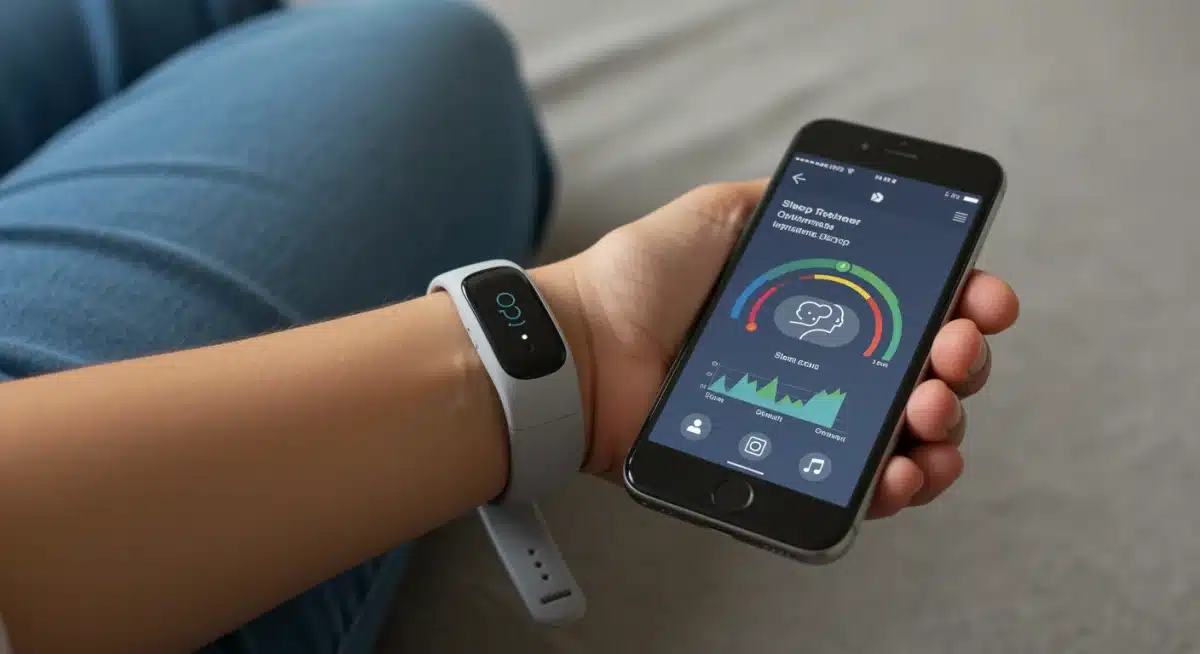
The continuous feedback loop provided by these technologies allows for ongoing adjustments to your sleep routine, ensuring that you’re always working towards the most efficient and restorative sleep possible.
Nutritional Strategies for Enhanced Sleep Quality
What we consume significantly impacts our sleep. In 2026, nutritional science has further refined our understanding of how specific foods, nutrients, and eating patterns can either promote or hinder restorative sleep. Incorporating targeted dietary changes is a powerful component of sleep optimization 2026.
It’s not just about avoiding caffeine before bed; it’s about a holistic approach to diet that supports healthy neurotransmitter function and stable blood sugar levels throughout the night. This involves careful timing and thoughtful food choices.
The Gut-Brain-Sleep Axis
Emerging research highlights the critical connection between gut health and sleep. A balanced gut microbiome produces neurotransmitters like serotonin, a precursor to melatonin, the sleep hormone. Supporting gut health through diet can therefore directly improve sleep quality.
- Probiotic-Rich Foods: Incorporate fermented foods like yogurt, kefir, and kimchi to foster a healthy gut.
- Prebiotic Fibers: Consume foods like oats, bananas, and garlic to feed beneficial gut bacteria.
- Hydration: Maintain adequate hydration throughout the day, but reduce fluid intake closer to bedtime to minimize nighttime awakenings.
Beyond gut health, specific nutrients play a direct role in sleep regulation. Magnesium, for instance, is known for its muscle-relaxing properties, while tryptophan, an amino acid found in foods like turkey and nuts, aids in serotonin and melatonin production. Prioritizing nutrient-dense whole foods is key.
Optimizing Your Sleep Environment: Beyond Darkness and Silence
Your bedroom is your sanctuary for sleep, and optimizing this environment goes far beyond simply making it dark and quiet. In 2026, environmental factors are recognized as critical elements in effective sleep optimization 2026, influencing both sleep onset and continuity.
Creating an ideal sleep environment involves a multi-faceted approach, addressing temperature, air quality, lighting, and even the subtle presence of electromagnetic fields. Every detail contributes to a more conducive atmosphere for rest.
Temperature Regulation and Air Quality
The optimal bedroom temperature for sleep is generally cooler, around 60-67°F (15-19°C). Smart thermostats and specialized bedding can help maintain this ideal range throughout the night. Furthermore, air quality plays a crucial role.
- Smart Climate Control: Utilize intelligent systems that learn your preferences and adjust the temperature automatically.
- Air Purification: Invest in high-quality air purifiers to remove allergens and pollutants that can disrupt breathing and sleep.
- Humidity Control: Maintain optimal humidity levels to prevent dry airways or excessive sweating.
Beyond temperature, minimizing light pollution is paramount. Blackout curtains are a standard, but even small LED lights from electronics can interfere with melatonin production. Consider covering or removing all light sources to ensure complete darkness. Noise, even subtle background noise, can also fragment sleep, making soundproofing or white noise machines valuable tools.
The Power of Mindfulness and Stress Reduction for Sleep
Mental well-being is intrinsically linked to sleep quality. Chronic stress, anxiety, and an overactive mind are significant barriers to restorative rest. Integrating mindfulness and stress reduction techniques is an increasingly vital aspect of sleep optimization 2026.
These practices help calm the nervous system, reduce cortisol levels, and prepare the mind for a peaceful transition into sleep. They address the psychological components of insomnia and poor sleep, offering sustainable solutions beyond quick fixes.
Evening Rituals and Digital Detox
Establishing a consistent, calming evening routine signals to your body that it’s time to wind down. This ritual should be free from stimulating activities and digital screens, which emit blue light that suppresses melatonin.
- Mindful Meditation: Practice short meditation sessions to quiet racing thoughts before bed.
- Gentle Stretching or Yoga: Release physical tension and promote relaxation.
- Reading a Physical Book: Engage in a non-stimulating activity that doesn’t involve screens.
The pervasive presence of digital devices in our lives often extends into our bedrooms, creating a constant state of alertness. Implementing a strict digital detox at least an hour before sleep can dramatically improve sleep onset and quality. Engaging in activities that promote a sense of peace and detachment from daily stressors is fundamental for preparing the mind and body for deep sleep.
Personalized Sleep Coaching and Biohacking Techniques
As sleep science becomes more sophisticated, so do the methods for personalizing sleep interventions. In 2026, personalized sleep coaching and advanced biohacking techniques are offering unprecedented opportunities for individuals to fine-tune their sleep and achieve optimal restorative rest, making them key to effective sleep optimization 2026.
These approaches move beyond general recommendations, delving into individual physiological responses and leveraging cutting-edge science to create bespoke sleep protocols. This level of customization ensures that interventions are precisely targeted for maximum impact.
Genetic Predispositions and Nootropics
Understanding your genetic predispositions related to sleep, such as caffeine sensitivity or melatonin production, can inform highly personalized strategies. Genetic testing can reveal insights into your natural sleep architecture and potential vulnerabilities.
- Targeted Supplementation: Based on genetic and biometric data, select supplements like magnesium L-threonate or specific adaptogens to support sleep.
- Nootropic Integration: Explore nootropics under expert guidance to enhance cognitive function and potentially aid in sleep quality by reducing mental chatter.
- Customized Light Therapy: Use specialized light devices to reset circadian rhythms based on individual needs and travel schedules.
Biohacking for sleep also includes advanced techniques like cold exposure therapy (e.g., cold showers or ice baths) which can impact sleep quality by reducing inflammation and improving stress resilience. Additionally, specific breathing exercises, such as coherent breathing, can regulate the autonomic nervous system, promoting a state conducive to sleep. The integration of these diverse, cutting-edge methods allows for a truly holistic and highly personalized approach to achieving profound sleep improvements.
Integrating Movement and Exercise for Better Sleep
Regular physical activity is a cornerstone of overall health, and its profound impact on sleep quality cannot be overstated. In 2026, the understanding of how exercise influences our sleep architecture has deepened, making it an indispensable part of any comprehensive sleep optimization 2026 strategy.
It’s not just about exercising; it’s about intelligent movement that supports circadian rhythms, reduces stress, and promotes deeper, more restorative sleep. The timing and intensity of physical activity are crucial considerations for maximizing sleep benefits.
Timing and Type of Exercise
While almost any exercise is better than none, the timing and type of physical activity can significantly influence its impact on sleep. Morning or early afternoon workouts are generally most beneficial, helping to solidify your circadian rhythm and provide a natural energy boost.
- Morning Cardio: Light to moderate aerobic exercise in the morning can enhance sleep quality by promoting earlier melatonin release at night.
- Strength Training: Regular resistance training can improve sleep efficiency and increase the amount of deep sleep.
- Avoid Late-Night Vigorous Exercise: Intense workouts too close to bedtime can elevate core body temperature and stimulate the nervous system, making it harder to fall asleep.
Exercise helps reduce anxiety and depression, two common culprits behind sleep disturbances. It also increases the duration of deep sleep, the most physically restorative stage of sleep. However, consistency is key, and finding a routine that aligns with your body’s natural rhythms will yield the best results for sustained sleep improvement.
| Key Point | Brief Description |
|---|---|
| Personalized Chronotypes | Aligning daily routines with individual biological clocks for optimal energy and sleep. |
| Advanced Sleep Tech | Wearables and smart devices offer deep insights and personalized recommendations for better sleep. |
| Gut-Brain-Sleep Axis | Optimizing gut health through diet directly influences neurotransmitter production crucial for sleep. |
| Mindfulness & Stress | Techniques like meditation and digital detox calm the mind, preparing it for restorative sleep. |
Frequently Asked Questions About Sleep Optimization
The most significant advancement lies in hyper-personalized approaches, combining genetic insights, advanced biometric data from wearables, and AI-driven recommendations. This allows for highly tailored strategies that address individual sleep needs and challenges more effectively than ever before.
Absolutely. Diet profoundly affects sleep by influencing gut health, neurotransmitter production, and blood sugar regulation. A balanced diet rich in specific nutrients and timed correctly can significantly enhance sleep quality and duration, making it a crucial optimization factor.
Begin by ensuring complete darkness, maintaining a cool bedroom temperature (60-67°F), and minimizing noise. Consider air purification and smart climate control. A consistent, calming environment signals to your body that it’s time to rest, promoting deeper sleep.
Yes, by systematically applying the latest strategies in sleep optimization—including personalized routines, advanced technology, dietary adjustments, and stress reduction—many individuals can achieve a consistent gain of at least one hour of high-quality, restorative sleep nightly.
Exercise remains a vital component, particularly when timed correctly. Morning or early afternoon workouts enhance circadian rhythm regulation and increase deep sleep. Avoiding intense exercise close to bedtime prevents overstimulation, ensuring physical activity consistently supports sleep health.
Conclusion
The landscape of sleep has evolved considerably by 2026, offering unprecedented opportunities for individuals to reclaim and enhance their nightly rest. By embracing personalized strategies, leveraging advanced technology, optimizing nutrition and environment, and integrating mindfulness and targeted movement, gaining an extra hour of quality sleep is not just an aspiration but an achievable reality. The journey to superior sleep is a holistic one, promising not just more hours in bed, but a profound improvement in overall health, cognitive function, and daily well-being. Prioritizing these updated sleep optimization techniques is an investment in a healthier, more vibrant future.