
anti-inflammatory meal planning for daily wellness organizes whole grains, colorful vegetables, omega-3 rich proteins, healthy fats and anti-inflammatory spices into simple weekly menus and batch-cooked components, enabling steady energy, improved digestion and easy tracking of results within weeks.
anti-inflammatory meal planning for daily wellness helps you feel steadier day to day with simple food swaps and realistic meals. Curious how to plan tasty breakfasts, lunches and make-ahead dinners without extra stress? This guide shows practical steps you can use this week.
Core principles and foods that reduce inflammation
anti-inflammatory meal planning for daily wellness focuses on real foods that lower inflammation and boost steady energy. Simple swaps can change how you feel each day.
Start with whole grains, fatty fish, colorful vegetables, and herbs like turmeric and ginger to build satisfying meals that support recovery.
What causes chronic inflammation?
Processed foods, high sugar, excess refined carbs, and frequent fried meals can keep the body in a low-grade inflammatory state. Stress and poor sleep add to the effect.
Key anti-inflammatory principles
Choose whole, minimally processed ingredients, prioritize healthy fats, add fiber-rich plants, and limit added sugars and trans fats.
- Eat a variety of colorful vegetables and fruits every day.
- Include omega-3 sources like fatty fish or flax once or twice a week.
- Use spices such as turmeric and ginger for flavor and benefit.
- Reduce sugary drinks, packaged snacks, and refined grains.
Whole foods bring antioxidants and fiber that help calm inflammation. Fermented foods and soluble fiber support gut health, which links to immune balance.
Healthy fats from olive oil, nuts, and seeds lower inflammatory markers and keep you full longer. Swap deep-fried choices for simple roasting or steaming.
Top anti-inflammatory foods to include
Pick ingredients that blend easily into meals and deliver nutrients without extra prep stress.
- Fatty fish (salmon, sardines): rich in omega-3s that reduce inflammation.
- Leafy greens (spinach, kale): loaded with vitamins and antioxidants.
- Berries (blueberries, strawberries): high in polyphenols and fiber.
- Nuts and seeds (walnuts, chia): provide healthy fats, magnesium, and protein.
Combine a protein, whole grain, and veggies at each meal for balance. Small swaps—brown rice instead of white, an extra veggie side, or a citrus-turmeric dressing—make plans sustainable.
Batch-cook simple components like roasted vegetables, cooked whole grains, and a protein to make weeknight meals fast and anti-inflammatory.
When you make food choices around these core principles and foods, anti-inflammatory meal planning for daily wellness becomes practical and enjoyable. Small, consistent changes add up to real benefits.
How to build a weekly anti-inflammatory meal plan
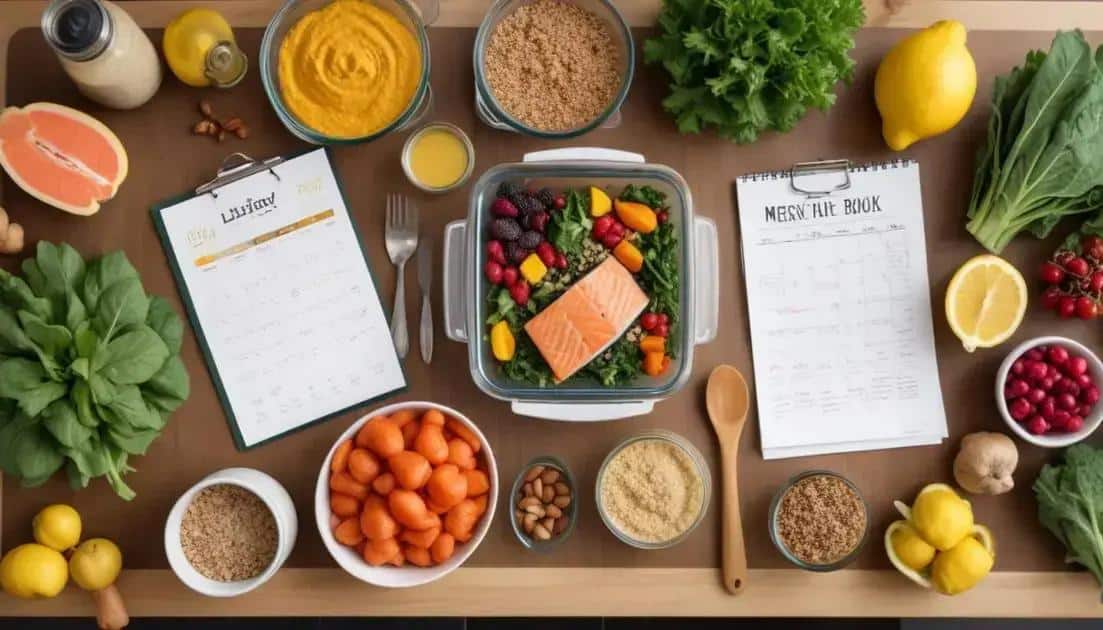
anti-inflammatory meal planning for daily wellness helps you save time and eat foods that lower inflammation. Start small with a simple weekly plan that fits your schedule.
Plan around busy days and easy-cook days so meals stay realistic and enjoyable.
Choose a simple weekly template
Pick a layout like: two fresh meals, two leftovers, two quick bowls, one comfort meal. This keeps variety without extra thought.
Meal themes to speed decisions
Themes reduce decision fatigue and make shopping easier. Use colors and textures for balance.
- Grain bowl night: quinoa, roasted veg, greens, tahini dressing.
- Fish or plant-protein night: salmon or lentil patties with salad.
- Soup or stew night: bone broth or lentil soup with lots of veggies.
- Prep-and-eat night: pre-cooked grains, steamed greens, quick protein.
Create a grocery list by section: produce, proteins, whole grains, pantry spices, and healthy fats. Stick to the list to avoid impulse buys.
Batch-cook core components: roast a tray of vegetables, cook a pot of grains, and grill or bake proteins. Mix and match these across meals to stay varied.
Build balanced plates
At each meal aim for a protein, colorful vegetables, and a whole grain or healthy fat. This supports satiety and steady blood sugar.
- Protein: fatty fish, beans, tofu, or poultry.
- Veggies: leafy greens, cruciferous vegetables, and colorful peppers.
- Carbs/fiber: oats, brown rice, sweet potato, or barley.
Use simple flavor boosters like lemon, olive oil, turmeric, ginger, garlic, and fresh herbs to keep meals tasty without processed sauces.
Prep snacks too: chopped veggies, mixed nuts, and berry cups. Having options prevents reaching for sugary or fried choices.
Review the plan midweek. Swap meals if plans change and reuse cooked components to avoid waste.
Small habits—planning one extra meal, washing produce right away, or making a double batch—make anti-inflammatory meal planning for daily wellness sustainable and less stressful.
Easy make-ahead recipes and batch-cooking tips
anti-inflammatory meal planning for daily wellness gets a big boost from easy make-ahead recipes and batch cooking. A few hours of prep gives you healthy meals all week.
Focus on simple steps: cook core components, store them well, and mix flavors when you serve.
Batch-cooking basics
Start with three core components: a protein, a grain, and roasted or steamed vegetables. Cook them in bulk to use in different meals.
- Cook grains like brown rice, quinoa, or barley in a large pot or rice cooker.
- Roast a sheet tray of mixed vegetables with olive oil, salt, and turmeric or ginger.
- Bake or grill proteins (salmon, chicken, tofu) and portion into containers.
- Cool food before sealing and label with the date to keep things safe.
Use airtight glass containers for fresh taste and easy reheating. Store dressings separately to keep salads crisp.
Small jars of sauces or dressings—like lemon-tahini or olive oil with garlic and herbs—make reheated bowls shine without processed ingredients.
Quick make-ahead recipe ideas
- Roasted vegetable quinoa bowls: roasted carrots, broccoli, quinoa, chickpeas, and a lemon-tahini drizzle. Reheat or eat cold.
- Omega-3 salmon packets: baked salmon portions wrapped with lemon and dill. Store and reheat gently to preserve texture.
- Hearty lentil soup: cook a large pot with carrots, tomatoes, spinach, and spices. Reheat for easy lunches.
- Overnight oats with berries and chia: assemble jars for grab-and-go anti-inflammatory breakfasts.
Mix and match components to avoid repetition. One roast tray can become a bowl, a soup add-in, or a salad topper.
Keep spices, fresh herbs, and citrus on hand to brighten meals. A squeeze of lemon or a sprinkle of chopped parsley changes the flavor profile fast.
Prep snacks too: chop veggies, portion mixed nuts, and make hummus. These small steps reduce the urge for fried or sugary options.
Make batch cooking part of your routine by blocking a prep time each week. When components are ready, it’s easier to stick with anti-inflammatory meal planning for daily wellness.
Measuring effects: energy, digestion and simple tracking
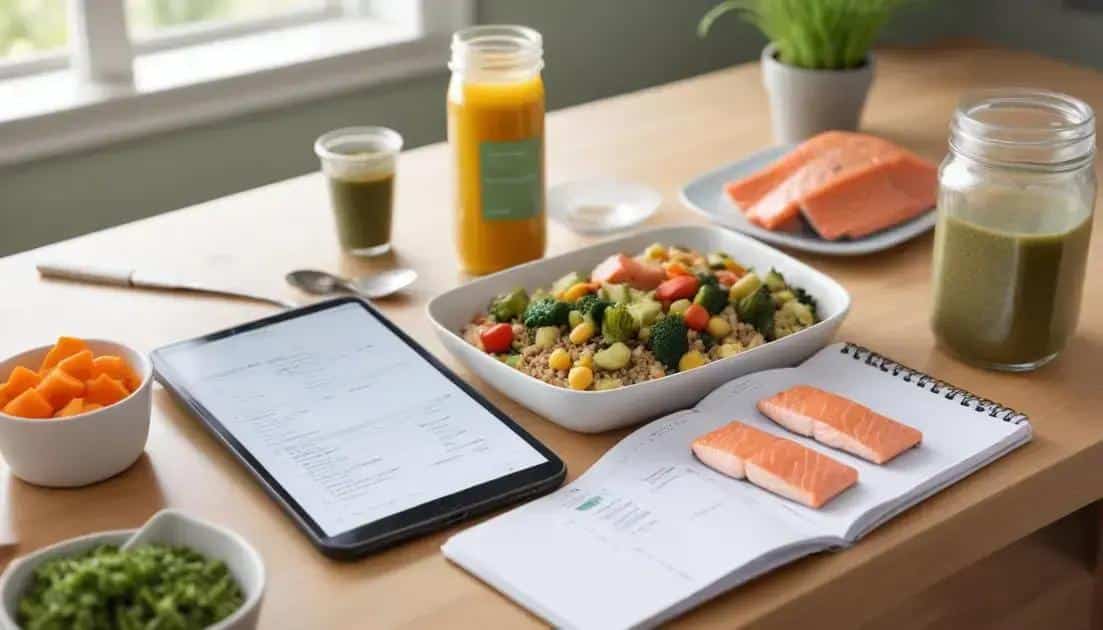
anti-inflammatory meal planning for daily wellness often shows changes in energy and digestion within days. Watching a few simple signs helps you know what to keep or tweak.
What to track each day
Pick a small set of measures you can check every day. Keep entries short so you stick with it.
- Energy: note morning and afternoon levels on a 1–10 scale.
- Digestion: record bloating, regularity, and any discomfort.
- Sleep quality: note how rested you feel after sleep.
- Mood and focus: quick notes on concentration and stress.
Use a three-point check each evening: one quick number for energy, one word for digestion, and one note about meals that stood out. This keeps tracking under a minute.
Simple ways to record results
Choose the tool that fits your life. A small notebook, a notes app, or photos work well.
- Paper habit tracker: jot numbers and short notes each day.
- Phone app or spreadsheet: log meals and symptoms with timestamps.
- Meal photos: take a quick photo to remember what you ate.
Photo logs help connect specific meals to how you feel. A picture plus one sentence is an easy record.
Track for at least two weeks before judging a change. Small shifts in meals add up slowly, and patterns show with a little time.
How to test changes safely
Try one change at a time. Swap white grains for brown, add a serving of leafy greens, or use turmeric in dressings. Keep other habits steady.
- Change only one meal item per week to see clear effects.
- Repeat a meal twice in the week to compare days with similar food.
- Note any repeatable benefit or problem after three similar meals.
When you spot a clear benefit—more steady energy or less bloating—add that food more often. If a food causes problems, try a smaller portion or swap it out.
Review your notes weekly. Mark wins and items to test next. This simple loop makes anti-inflammatory meal planning for daily wellness practical and driven by your real results.
Using anti-inflammatory meal planning for daily wellness can boost energy and ease digestion with small, steady changes. Start with a simple weekly plan, batch-cook a few core components, and track one or two quick signs each day. Adjust based on what you notice and keep flavors interesting so the habit sticks.
FAQ – Anti-inflammatory meal planning for daily wellness
How soon can I expect to feel better after starting an anti-inflammatory meal plan?
Many people notice small changes in energy and digestion within a few days, but track consistently for 2–4 weeks to see clearer patterns.
Is anti-inflammatory eating expensive or hard to follow on a budget?
Not necessarily. Choose seasonal produce, frozen fruits and vegetables, legumes, and whole grains. Batch-cook to save time and money.
What are simple swaps to reduce inflammation right away?
Swap white bread and rice for whole grains, sugary drinks for water or herbal tea, and fried foods for roasted or steamed options. Add turmeric, ginger, and olive oil for flavor and benefit.
How do I handle food sensitivities while planning anti-inflammatory meals?
Test one change at a time and keep a short food-and-symptom log. If reactions persist, try an elimination approach or consult a healthcare professional.