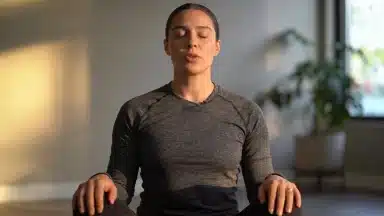
gratitude practices supporting emotional regulation are brief, repeatable actions—naming a positive, a quick gratitude pause, or a tactile anchor—that rapidly shift attention, lower physiological arousal, and speed recovery from stress, producing calmer, more deliberate emotional responses.
gratitude practices supporting emotional regulation can calm intense feelings and help you respond more clearly. Curious which small habits make a real difference? Try these concise, practical strategies in minutes.
How gratitude affects emotion regulation
gratitude practices supporting emotional regulation help you spot small positives and ease strong feelings. They teach simple habits that make it easier to respond calmly.
How gratitude changes attention
Gratitude shifts your focus from problems to what works. This change lowers worry and stops rumination. Noticing positives often cools intense emotion.
Body changes that matter
- Lower stress signals: brief gratitude moments can ease physical tension.
- Boosted mood: naming good things lifts your feelings and builds resilience.
- Clearer thinking: calmer states help you choose better reactions under pressure.
Small acts add up. A nightly note, a pause in a tense moment, or a quick mental list can rewire habits. Pairing these with slow breaths strengthens the effect.
Simple practices to try
- Three good things: write three small positive events each evening.
- Gratitude pause: name one thing you appreciate, then breathe three slow breaths.
- Short thank-you: send or write a one-sentence thanks to someone who helped you.
- Sensory notice: spot one positive detail in your surroundings and describe it silently.
Use these tools when stress spikes or as daily routines. Consistent practice makes it easier to notice calm sooner and recover from upset faster.
In short, simple gratitude practices supporting emotional regulation shift attention, soothe the body, and offer clear steps you can use anytime. Start small and repeat for steady benefits.
Short gratitude exercises you can do anywhere
gratitude practices supporting emotional regulation can be tiny and still helpful. Use short exercises that fit in a pocket, a commute, or a busy break.
Pause and name one thing
Stop for a breath and name one thing you appreciate. Say it silently and feel the body relax. This quick shift breaks a cycle of worry or anger.
Anchor with the senses
Bring attention to a small detail around you. Notice a color, a texture, or a sound. This sensory focus pulls you out of spirals and into the present.
- Three good things: list three small wins from the day, even tiny ones.
- Gratitude pause: name one thing, breathe slowly for four counts.
- One-sentence thank you: send a short message to someone who helped you.
- Sensory notice: note one pleasant detail near you and hold it for a breath.
You can do these anywhere: standing in line, waiting for a meeting, or between tasks. The aim is to make the shift quick and repeatable. Repetition builds the habit.
Use a portable cue
Choose a simple trigger: a ring on your phone, a stretch, or touching your wrist. Link that cue to a short gratitude act. Over time the cue will nudge calmer reactions automatically.
Mix practices so they stay fresh. Try a journal entry at night, a pause midday, and a thank-you message once a week. Variety keeps the habit alive and useful in different moments.
These short exercises are practical ways to use gratitude practices supporting emotional regulation anytime. Start with one small move and repeat it until it helps you respond more calmly.
Using gratitude when stress and anger spike
gratitude practices supporting emotional regulation can be a quick tool in moments when stress or anger flare. Use tiny, repeatable moves that you can do anywhere.
Short steps to use right away
Choose one simple action and do it the moment you notice rising tension. Keep it brief so you can act fast.
- Name one clear feeling, then name one small thing you appreciate right now (a warm cup, a steady breath).
- 20-second recall: think of a calm memory for twenty seconds to soften intensity.
- Tactile anchor: press thumb and forefinger together while you think of one thankful phrase.
- Breath-count gratitude: inhale for four while imagining something you value, exhale slowly.
These steps shift attention away from the trigger and toward something safe. The body eases when the mind finds a small positive. Short repeats make the move faster next time.
How to make it stick
Practice these acts when you feel neutral so they become automatic under stress. Link a cue—like a phone chime or the act of standing up—to the gratitude move.
Keep choices simple and private. A silent mental note or a fingertip touch works in public and at home. Over time, the cue will nudge a calmer response without extra effort.
Adapting for intense situations
- Scale down: if anger is high, try a single deep breath paired with one short gratitude image.
- Delay tactic: use a 60-second break to list one useful detail and return with more control.
- Aftercare: later, write a one-line thank-you or note to process the event and reinforce the habit.
Use variation so the practice stays fresh. Mix silent anchors, quick recalls, and tiny physical cues. With regular use, gratitude practices supporting emotional regulation become a natural tool when stress spikes.
Tracking progress: common obstacles and fixes
gratitude practices supporting emotional regulation improve with simple tracking. Small records show what works and what needs change.
Track habits in short, clear ways so you keep going without stress.
Easy metrics to record
Use numbers and notes that are quick to write. A simple scale from 1 to 5 for mood helps you spot trends.
- Days practiced this week: count each small act.
- Average mood score: note before and after a practice.
- Recovery time: how long it takes to calm down after upset.
- Streak length: days in a row you used a practice.
Keep entries brief. One line per day works well. Over time, averages tell a clearer story than single moments.
Common obstacles you will meet
Forgetting is the top issue. Life gets busy and habits drop. Motivation can fade when results seem slow.
- Perfectionism: expecting big shifts right away.
- Inconsistency: skipping days and losing momentum.
- Distractions: phone alerts and noisy spaces interrupt practice.
These problems are normal. Tracking itself helps reveal patterns and points where you can adjust.
Practical fixes that work
Link gratitude acts to a daily cue, like morning coffee or brushing teeth. Tiny steps beat long routines you won’t keep.
- Set a two-minute goal so you can’t avoid it.
- Use a simple app or a sticker chart to celebrate small wins.
- Plan for lapses: note why you missed a day and pick a tiny next step.
- Share progress with a friend for gentle accountability.
Review weekly. Look for small gains: more calm moments, shorter recovery, or a growing streak. Adjust goals if needed so they stay doable.
Consistent, low-effort tracking makes gratitude practices supporting emotional regulation stick. Focus on tiny wins, track them simply, and change the plan when life shifts.
In short, gratitude practices supporting emotional regulation shift attention, calm the body, and help you respond instead of react. Start tiny, track simple wins, and adjust when life gets busy.
FAQ – Gratitude practices supporting emotional regulation
What are gratitude practices and how do they help?
Short habits like naming something you appreciate, a quick mental pause, or a thank-you note. They shift focus, ease stress, and help you respond more calmly.
How long until I notice benefits?
Some people feel calmer after one practice. With daily short routines, clearer and steadier benefits usually appear within a few weeks.
Can I use these techniques during strong anger or panic?
Yes. Use very simple moves—one slow breath, name one thing you’re grateful for, or a tactile anchor—to lower intensity quickly.
How should I track progress without it becoming a chore?
Keep tracking tiny: mark days practiced, a quick mood score (1–5), and one short note if it helped. One-line entries keep it easy and consistent.