
Gut microbiome support through high-fiber eating feeds beneficial bacteria with varied plant fibers, increases short-chain fatty acid production, improves bowel regularity and inflammation markers, and can boost energy when you increase fiber gradually, hydrate, and choose diverse whole foods.
gut microbiome support through high-fiber eating might be the simplest way to ease bloating and feel more energetic. Want quick examples—like swapping white rice for beans or adding oats to breakfast? Read on for practical swaps you can test this week.
how fiber feeds your gut microbes and why it matters
gut microbiome support through high-fiber eating helps feed friendly bacteria that keep digestion smooth and energy steady.
When fiber reaches the colon, microbes ferment it and produce short-chain fatty acids that support gut health and lower inflammation.
what happens when fiber reaches your gut
Fiber resists digestion in the small intestine and arrives in the colon mostly intact. There, resident microbes break it down and make compounds the body can use.
types of fiber and which microbes eat them
Different fibers feed different bacteria. A mix of fibers helps a wider range of microbes grow and keeps the gut ecosystem balanced.
- Soluble fiber (oats, beans): ferments into short-chain fatty acids like butyrate that nourish colon cells.
- Insoluble fiber (whole grains, vegetables): adds bulk to stool and helps regularity.
- Resistant starch (cooled potatoes, green bananas): reaches the colon and feeds bacteria linked to fullness and blood sugar control.
- Prebiotic fibers (onion, garlic, chicory): selectively boost helpful species such as bifidobacteria.
The fermentation products, especially short-chain fatty acids, help tighten the gut barrier, reduce local inflammation, and serve as fuel for colon cells.
A healthier microbial mix can ease gas and bloating over time, and may support immune response and mood through gut-brain signaling.
To build this support, aim for varied plant foods each day: fruits, vegetables, legumes, whole grains, nuts, and seeds. Increase fiber slowly and drink enough water so fiber moves comfortably through the gut.
Small changes like swapping refined grains for whole grains or adding a daily serving of beans can make a big difference for gut microbiome support through high-fiber eating. Consistency matters more than perfection.
best high-fiber foods and easy swaps for every meal
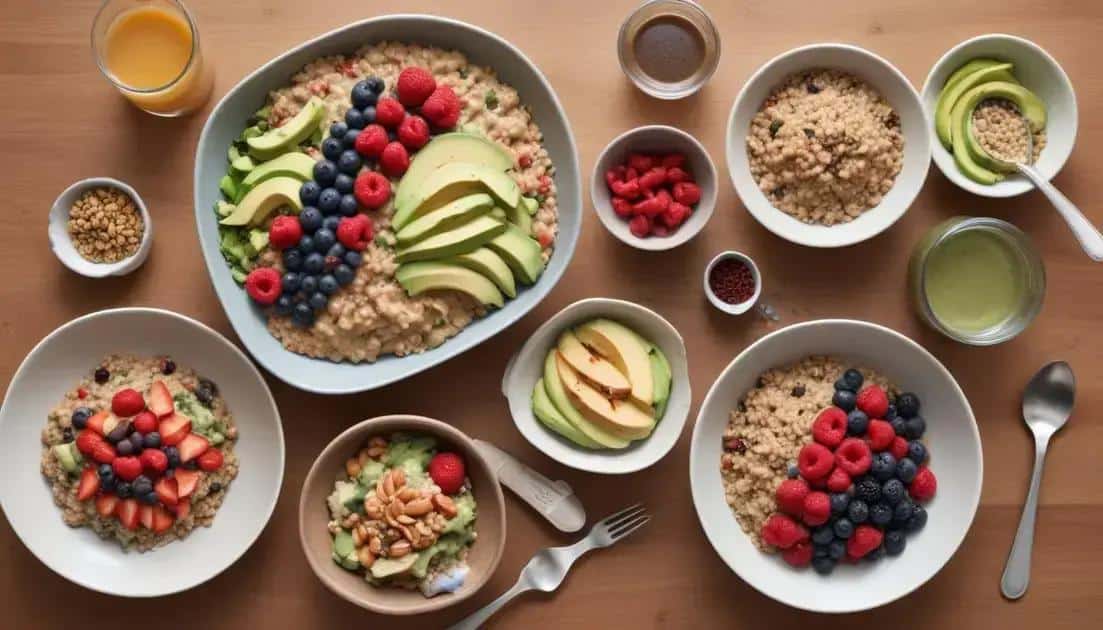
gut microbiome support through high-fiber eating starts with simple food choices you can use every day. Small swaps at each meal add up fast.
Below are the top fiber foods and easy swaps for breakfast, lunch, dinner, and snacks that help feed friendly gut microbes.
breakfast wins: start the day with fiber
Choose oats, chia seeds, berries, or whole-grain toast to add soluble and insoluble fiber early. These foods feed microbes and keep you full.
- Swap sugary cereal for a bowl of oats with fruit and nuts.
- Replace white bread with whole-grain toast topped with avocado or nut butter.
- Add a spoon of chia or ground flaxseed to yogurt or smoothies.
Even one swap, like adding berries to cereal, raises daily fiber and gives your gut more fuel.
lunch and dinner: mix legumes, grains, and veggies
Legumes and whole grains are fiber powerhouses. Aim to include a bean, lentil, or whole grain at most meals to diversify the gut community.
Try a quinoa salad with chickpeas, a whole-grain wrap filled with beans and veggies, or brown rice mixed with stir-fried vegetables. These choices combine soluble fiber and resistant starch, which many gut microbes love.
- Swap white rice for quinoa, barley, or a bean-and-rice mix.
- Choose whole-grain pasta or spiralized vegetables with a lentil sauce instead of plain pasta.
- Add a side salad or a serving of roasted vegetables to boost total fiber without much effort.
Mixing different fiber types at lunch and dinner helps feed a wider range of microbes and improves digestion over time.
snacks and small changes that matter
Smart snacks can add several grams of fiber. Keep fruit, nuts, seeds, and raw veggies within reach.
- Swap chips for air-popped popcorn or a small handful of almonds and dried fruit.
- Replace an energy bar with apple slices and peanut butter.
- Keep carrot sticks, hummus, or a bean dip for quick, fiber-rich bites.
These swaps are easy and work well when you’re busy or on the go.
To make changes comfortable, increase fiber slowly over 1–2 weeks and drink more water. Aim for a variety of plant foods each day: fruits, vegetables, legumes, whole grains, nuts, and seeds. Track small wins like one extra serving of beans or one fiber-rich swap per meal.
Keep choices simple and repeatable. Consistent, small swaps lead to better digestion, more stable energy, and stronger gut microbiome support through high-fiber eating.
a practical 7-day high-fiber meal plan with recipes
gut microbiome support through high-fiber eating is simple with a clear, repeatable plan. This 7-day menu uses real foods you can prep ahead.
Each day lists breakfast, lunch, dinner, and a snack with quick recipe steps you can follow.
days 1–3: gentle start
Begin with familiar swaps and one new fiber-rich food per meal. Keep portions moderate and drink water.
- Day 1 — Breakfast: oats with berries and chia. Quick: cook oats, stir in berries and 1 tbsp chia. Lunch: chickpea salad with mixed greens. Dinner: brown rice bowl with roasted veggies and a handful of almonds. Snack: apple and peanut butter.
- Day 2 — Breakfast: whole-grain toast with mashed avocado and pumpkin seeds. Lunch: lentil soup (simmer lentils, carrots, onion, garlic). Dinner: quinoa with black beans, corn, salsa. Snack: carrot sticks and hummus.
- Day 3 — Breakfast: Greek yogurt with ground flaxseed and sliced banana. Lunch: whole-grain wrap with hummus, spinach, and roasted peppers. Dinner: baked salmon, sweet potato, steamed broccoli. Snack: air-popped popcorn and a few walnuts.
These first days focus on steady fiber increases. Small steps reduce gas and discomfort.
meals to mix in: quick recipes and tips
Keep a can of beans, a bag of frozen vegetables, and whole grains on hand. These basics speed cooking and keep fiber handy.
- Basic bean salad: drain beans, add olive oil, lemon, chopped onion, herbs. Serve cold or warm.
- Simple lentil bowl: cook lentils with broth, stir in chopped tomato and spinach, finish with lemon zest.
- Overnight oats: combine oats, milk, yogurt, berries; refrigerate overnight for a grab-and-go breakfast.
Rotate these ideas across the week to feed different microbes with different fiber types.
days 4–6: add variety and resistant starch
Introduce cooled starchy foods and new legumes to boost resistant starch. That feeds key gut bacteria.
- Day 4 — Breakfast: overnight oats with sliced kiwi. Lunch: barley and roasted beet salad with chickpeas. Dinner: chili with mixed beans and a side of brown rice (cool rice before serving or eat cold the next day). Snack: pear and a small handful of almonds.
- Day 5 — Breakfast: smoothie with spinach, frozen banana, rolled oats, and flax. Lunch: farro bowl with roasted eggplant and white beans. Dinner: stir-fry with tofu, broccoli, and quinoa. Snack: celery sticks with hummus.
- Day 6 — Breakfast: whole-grain pancakes topped with berries and a spoonful of nut butter. Lunch: mixed greens with lentils and sunflower seeds. Dinner: roasted potato (cooled) with a bean stew. Snack: orange and a few pumpkin seeds.
Cooling cooked potatoes, rice, or pasta increases resistant starch. Try one cooled side daily to vary the fiber your microbes see.
day 7: mix and repeat
Use favorites from the week and plan repeating meals you enjoy. This builds consistency without boredom.
- Day 7 — Breakfast: oats or whole-grain toast with fruit. Lunch: leftover chili or bean salad. Dinner: grain bowl with roasted vegetables, beans, and a tahini dressing. Snack: mixed fruit and seeds.
- Batch prep idea: cook a big pot of beans and a tray of roasted vegetables to use across multiple meals.
Small, consistent swaps matter more than perfection. Track which meals make you feel best and repeat those often.
Keep increasing fiber slowly and pair it with water. These recipes and simple steps aim to support digestion and build resilient gut bacteria through varied plant foods and consistent gut microbiome support through high-fiber eating.
how to increase fiber without bloating: timing and tips
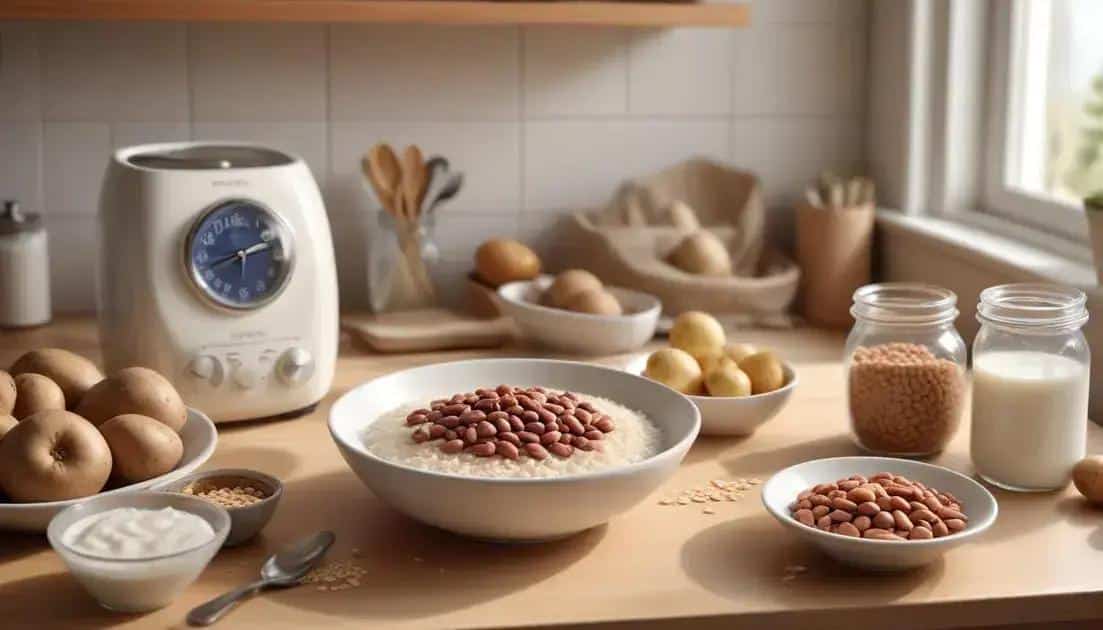
gut microbiome support through high-fiber eating is easier when you add fiber at a steady, gentle pace. Smart timing and small hacks cut bloating and keep meals enjoyable.
These tips help your gut adapt: change one habit a week, drink more fluids, and choose cooked or cooled starches when needed.
increase fiber slowly, week by week
Raise fiber by about 3–5 grams every few days. Quick jumps often cause gas and discomfort.
space fiber across meals and snacks
Distribute fiber evenly so one meal doesn’t overload the gut. This gives microbes time to ferment food more gently.
- Plan three balanced meals plus one or two fiber-rich snacks instead of one very high-fiber meal.
- Start with fruit or oats at breakfast, a vegetable-rich lunch, and a moderate-fiber dinner.
- If a food causes gas, reduce the portion and reintroduce it later in smaller amounts.
- Keep a simple log of foods and symptoms to find your sweet spot.
Drink water throughout the day. Fluid helps fiber move and reduces constipation, which can worsen bloating.
Cook beans well and try soaking them overnight to cut fermentable sugars that cause gas. Pureed legumes in soups are often gentler than whole beans at first.
Choose some low-FODMAP fiber if you are sensitive: spinach, oats, and certain berries tend to be easier for many people than high-FODMAP choices like large servings of onion or garlic.
use resistant starch and timing to tame gas
Eat cooled rice, potatoes, or pasta sometimes to add resistant starch. It feeds helpful bacteria but can cause less immediate gas for some people.
- Cook and cool one starch portion, then eat it cold or reheated the next day.
- Combine fiber with protein and healthy fats to slow digestion and ease fermentation.
- Try a short walk after meals to stimulate digestion and reduce bloating.
Keep portions manageable and repeat what works. Small, steady changes support digestion and help build a resilient gut community over time.
Overall, increase fiber slowly, stay hydrated, space fiber across the day, and use cooking tricks like soaking and cooling to minimize bloating while maximizing gut microbiome support through high-fiber eating.
Slow, steady changes work best: add a few grams of fiber each week, choose a variety of plant foods, drink more water, and use simple cooking tricks like soaking beans or cooling rice to cut bloating. These easy habits help digestion, steady your energy, and build lasting gut microbiome support through high-fiber eating.
FAQ – gut microbiome support through high-fiber eating
How quickly should I increase my fiber intake?
Increase slowly, about 3–5 grams every few days, so your gut microbes can adapt and you avoid gas.
What are the best high-fiber foods to start with?
Start with oats, beans, lentils, fruits, vegetables, whole grains, nuts, and seeds to get a variety of fibers.
What if I feel bloated after adding fiber?
Reduce portion size, drink more water, spread fiber across meals, try cooked or pureed legumes, and reintroduce foods slowly.
How long until I see benefits in digestion and energy?
Many people notice improvements in 1–3 weeks; consistent, varied fiber helps digestion and steadier energy over time.