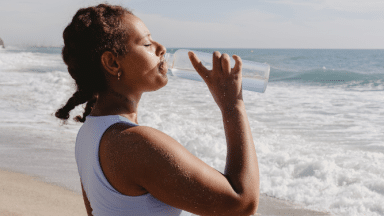
hydration timing habits for cognitive performance optimize focus and memory by scheduling small, frequent sips—morning rehydration, pre-focus sips, afternoon resets, and post-activity intake—adjusted for age, activity, and health, using simple cues to build consistent routines.
hydration timing habits for cognitive performance can change how sharp you feel—sometimes a small, well-timed sip helps attention and memory. Curious which moments matter most and how to fit them into a busy day?
why timing your water intake matters for brain function
hydration timing habits for cognitive performance help your brain work better. Small changes in when you drink can boost focus and mood.
Timing affects alertness, short-term memory, and task ease. The tips below are simple and easy to test.
how hydration affects the brain
Water keeps blood flow steady and helps carry oxygen to brain cells. Even mild dehydration can slow thinking, raise fatigue, and make errors more likely. Staying steady with fluids supports clear thinking.
best times to sip
- Morning: drink a glass after waking to replace lost fluid and sharpen alertness.
- Before focused work: a small drink 15–30 minutes before a study or meeting may improve concentration.
- Mid-afternoon: sip to fight the post-lunch slump and renew energy without caffeine.
- During activity or heat: frequent small sips protect focus and mood while you move.
Use simple cues to build the habit. Set a phone reminder, pair sips with routine acts like checking email, or mark a water bottle with times. Small, repeated actions make hydration timing habits for cognitive performance stick.
Adjust amounts to your body and activity. One glass may help before a test, but harder workouts need more fluid. Watch your urine color and energy for quick feedback rather than strict rules.
Be mindful of drinking too fast. Slow, steady sips keep you comfortable and aid absorption. If you take medication or have health limits, check with a provider before changing routines.
Try timing one change this week, like a morning glass and a pre-work sip. Notice how your focus and memory respond.
how to build hydration timing habits that actually stick
hydration timing habits for cognitive performance become simple when you focus on tiny, repeatable actions. Small steps are easier to keep than big promises.
Pick one cue and one moment to drink each day. That way the habit grows without extra effort.
choose a clear cue
Link sipping to an existing habit, like waking up, starting work, or finishing a meeting. A strong cue makes the action automatic over time.
set visible prompts and small goals
- mark a water bottle with times to sip throughout the day.
- use phone alarms labeled only for the act of drinking, not long messages.
- place a glass by your laptop or by the bed to reduce friction.
Keep amounts small. A few sips are enough to reset focus. Big gulps can feel like a chore and stop you from repeating the habit.
Track progress in a simple way. A checkmark on a sticky note or one line in a habit app shows wins and keeps motivation rising.
build routines around activity and breaks
Drink before tasks that need focus, during short breaks, and after exercise. Tying hydration to natural pauses makes it less intrusive.
If you struggle with memory, link drinks to regular signals: a timer, the end of a show, or a walking break. Social cues work too—drink with a colleague or family member.
Adjust for your needs. Older adults, heavy sweaters, or people on certain meds may need different timing or volumes. Listen to your body and check with a clinician if unsure.
Start with one or two timed sips per day and add more as it fits. Small, steady steps help hydration timing habits for cognitive performance become lasting parts of your routine.
practical schedules and cues: when to sip during the day
hydration timing habits for cognitive performance are easiest when you plan times to sip. A clear, simple schedule keeps your focus steady all day.
Small, timed drinks beat random gulps. They help energy, mood, and memory without extra effort.
easy daily schedule
Use set moments that match your routine. Pick times you already follow.
- Morning: one glass after waking to rehydrate and boost alertness.
- Pre-focus: a small sip 15–30 minutes before work or study to sharpen attention.
- Afternoon reset: a drink after lunch to reduce the slump without caffeine.
- Post-activity: hydrate after exercise or a walk to restore balance.
Keep drinks small and steady. A few sips spread through the hour absorb better than one large intake. Notice how a short sip can renew focus before a meeting or study block.
Pay attention to signs like thirst, dry mouth, or dark urine. These cues help you adjust timing and amount. For most people, timed sips plus attention to body signals is enough.
cues and simple tools
Make reminders that fit your life so you don’t rely on willpower alone.
- water bottle with time marks to follow a visual plan.
- short phone alarms set for moments you already pause, like breaks or end of calls.
- pairing: drink with a routine action, such as checking email or standing up to stretch.
Combine tools: a marked bottle on your desk and a gentle alarm can form a reliable habit. Social cues help too — drink with a teammate or family member to make it routine.
Adjust for context. On busy commute days sip before you leave. If you work in hot environments or exercise hard, increase the frequency. Older adults and people on certain meds may need tailored timing—check with a clinician if unsure.
Start small: choose two timed sips today and track them. Gradual steps make hydration timing habits for cognitive performance practical and long lasting.
limits, risks and adapting timing for age and activity
hydration timing habits for cognitive performance must account for limits and real risks. Small changes in timing help many people, but one size does not fit all.
Knowing common limits and how to adapt for age or activity keeps your plan safe and useful.
common limits and risks to know
Drinking too little can dull focus, while drinking too much fast can cause discomfort or dilute salts. Certain conditions change the balance.
- Mild dehydration: causes tiredness, headaches, and lower attention; easy to miss until focus drops.
- Overhydration: rapid, large volumes may lead to low sodium in rare cases, especially during endurance events.
- Medical factors: kidney, heart, or hormonal issues and some medications affect fluid needs and timing.
- Age differences: children and older adults sense thirst differently and may need reminders or smaller, frequent sips.
Watch how your body responds rather than following strict rules. If you have health concerns, ask a clinician before changing your routine.
adapting timing for different ages
Children often need shorter, more frequent reminders. Use fun cues like a drink after a play break. Keep portions small and easy to swallow.
Older adults may have a weaker thirst signal. Gentle routines—like a glass at breakfast and one mid-afternoon—help maintain steady levels without overload.
For adults, simple timed sips before focus tasks and during breaks are usually enough. Tailor the pattern to how your day flows.
adjusting for activity and environment
Exercise and heat increase fluid loss. In these cases, increase frequency and match fluids to effort level. For long, sweaty workouts, include electrolytes rather than only water.
- Light activity: small sips before and after are usually fine.
- Moderate exercise: sip every 15–30 minutes and hydrate after training.
- Intense or long sessions: use sports drink or electrolyte plan and weigh pre/post if precise needs are important.
Use simple measures like urine color, energy, and sweat rate to guide adjustments. Carry a marked bottle and set gentle alarms on hot days or during heavy work.
Overall, make small, testable changes and watch results. Adapting hydration timing habits for cognitive performance to age, activity, and health keeps your brain supported without causing harm.
hydration timing habits for cognitive performance are easy to try and often improve focus and mood. Start with small, timed sips tied to routines, watch your body’s signals, and adjust for age or activity. Tiny, steady steps usually work better than big changes for lasting results.
FAQ – hydration timing habits for cognitive performance
How quickly can I expect to feel more focused after changing my hydration timing?
Many people notice small improvements in alertness within 15–30 minutes after a timely sip. Larger benefits build when you make hydration timing habits for cognitive performance consistent over days or weeks.
How much water should I drink at each timed sip?
Aim for small, steady amounts—about 100–200 ml (a few sips) per cue. Smaller, frequent sips absorb better and are easier to keep as a habit.
Is thirst a reliable cue to drink?
Thirst can lag, especially in older adults. Use simple cues like time marks, alarms, or pairing drinks with routines for more consistent results.
Are there risks to timed hydration and when should I consult a clinician?
Risks are low for most people, but overhydration or electrolyte imbalance can occur during long, intense exercise. Consult a clinician if you have kidney, heart, or hormonal conditions, or take medications that affect fluid balance.