
Minimalist home routines lowering mental clutter use short daily rituals, focused zone decluttering, weekly resets, and a few purposeful tools to reduce decisions, clear visual noise, and sustain calm so you focus on priorities.
minimalist home routines lowering mental clutter can change how you feel before breakfast—really. Want practical tweaks to try today? I’ll show small rituals and real examples that cut mental noise without a major overhaul.
Start small: morning rituals that lower mental clutter
minimalist home routines lowering mental clutter work best when they start small and feel easy to keep. A short, steady morning habit can make the rest of the day clearer.
Begin with tiny moves you can repeat. They add up without taking mental energy.
Choose one simple anchor
Pick a single, calming action that marks the start of your day. Keep it short and consistent so it becomes automatic.
- Make your bed for an instant tidy cue and a small win.
- Drink a glass of water to hydrate and wake up your system.
- Take three slow breaths to reset attention and lower stress.
- Spend one minute clearing a key surface, like a nightstand or kitchen counter.
When one anchor is steady, add another small habit. Avoid cramming many changes at once. Simple repetition builds momentum.
Micro-tasks to reduce decision fatigue
Break morning choices into tiny, guided steps. That lowers the number of decisions you must make when your mind is still waking.
- Lay out your outfit the night before to save time and thoughts.
- Prep a quick breakfast (overnight oats or a ready fruit bowl) so mornings feel calm.
- Write the top three tasks for the day on a sticky note and keep it visible.
- Designate a single spot for keys, bag, and wallet to avoid searching rituals.
Stack habits: pair a pleasant cue with a small task. For example, after pouring water, open a window for fresh air. These paired actions create smooth routines without extra planning.
Also limit early screen time. Try a phone-free first 20 to 30 minutes to protect your focus. Use physical cues like a tray or a small plant to signal the start of the morning ritual.
Keep surfaces and choices minimal. A clear counter and a short list reduce the visual noise that feeds mental clutter. Over time, these tiny rituals free up mental space for priorities.
Declutter spaces that boost focus and calm
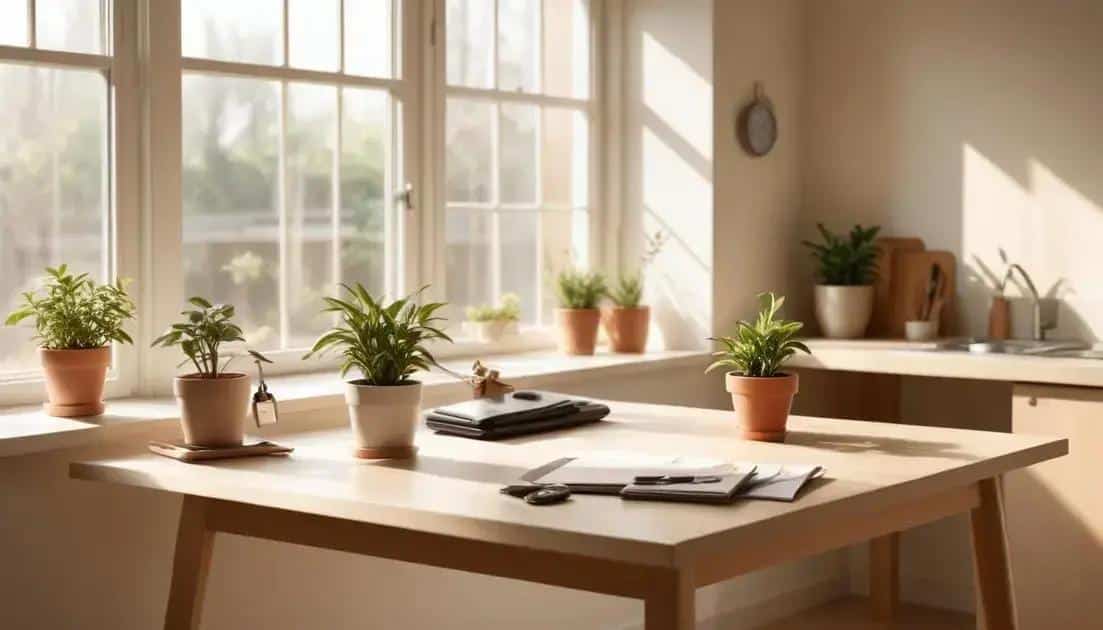
minimalist home routines lowering mental clutter begin with small edits to the spaces you use most. A tidy space makes it easier to focus and feel calm.
Target one area at a time and keep changes simple so they stick.
clear the work nook
Make the desk a single-purpose zone. Remove extra items and keep only what you need for the current task.
- Keep a clear surface: one notebook, one pen, and a laptop or monitor.
- Use a small tray or box for loose items to avoid visual noise.
- Hide cables with a simple clip or sleeve to reduce distraction.
- Add one soft light source to ease eye strain and signal work time.
Small systems matter: a single drawer for supplies and a routine of a 5-minute tidy before you stop work protects that calm. Consistency beats perfection.
design entry and kitchen for quick decisions
Make coming and going effortless with a dedicated drop zone. This prevents clutter from spreading through the day.
- Place a tray or bowl by the door for keys and wallet.
- Create a quick mail habit: one inbox and a weekly sort time.
- Keep kitchen counters to three essentials to reduce visual clutter.
- Store duplicates out of sight to simplify choices each morning.
When surfaces are mostly empty, your mind spends less time deciding. A few clear habits here cut repeated friction.
Use natural light, a small plant, and neutral tones to make spaces feel calm without extra items. These minimal touches support attention without adding tasks.
Try a nightly 10-minute sweep: clear counters, return items to homes, and switch off extra lights. That short ritual prevents buildup and keeps the environment ready for focus.
Minimalist home routines lowering mental clutter work when you start small, choose one zone, and repeat simple habits. Focused spaces lead to clearer thinking and less daily stress.
Weekly reset: simple habits to keep routines sustainable
minimalist home routines lowering mental clutter stay effective when you add a quick weekly reset. A short, focused session keeps small messes from growing and saves time later.
Make the reset simple and repeatable so it becomes part of your routine without stress.
time-box a short weekly window
Pick a consistent day and set a timer for 20–30 minutes. Treat that block as sacred. Short windows are easier to keep.
- Choose one clear day and time each week.
- Set a 20–30 minute timer to avoid overworking.
- Focus on one or two areas only to stay realistic.
- Play a favorite short playlist to cue the task.
Rotate zones each week so every area gets attention without overload. One week focus on the kitchen, next week the entry, then a living area. This keeps work small and steady.
use a tiny checklist
Create a 5-step checklist you can finish in the time-box. Keep it visible on a sticky note or a simple app.
- Clear surfaces: put items back in their homes.
- Sort mail quickly: recycle, keep, action.
- Load or run a quick laundry batch as needed.
- Prep one meal element for the week (chop veggies or portion snacks).
Use the checklist as a low-effort guide. Checking boxes gives momentum and makes the reset feel doable. Adjust items to fit your home and life.
Include a fast donate sweep: a small box for items to give away. When it fills, drop it off or schedule pick-up. This prevents slow accumulation of extras.
Don’t forget digital clutter. Spend a few minutes clearing desktop icons, archiving old emails, and checking your calendar for the week. A tidy digital space eases decision-making.
Pair the reset with a brief review: note one win and one tweak for next week. A single sentence is enough. This keeps the habit improving without pressure.
Minimalist home routines lowering mental clutter last when resets are short, scheduled, and simple. Small, steady acts make routines sustainable and keep your home calm.
Tools and minimal design choices that support mental clarity
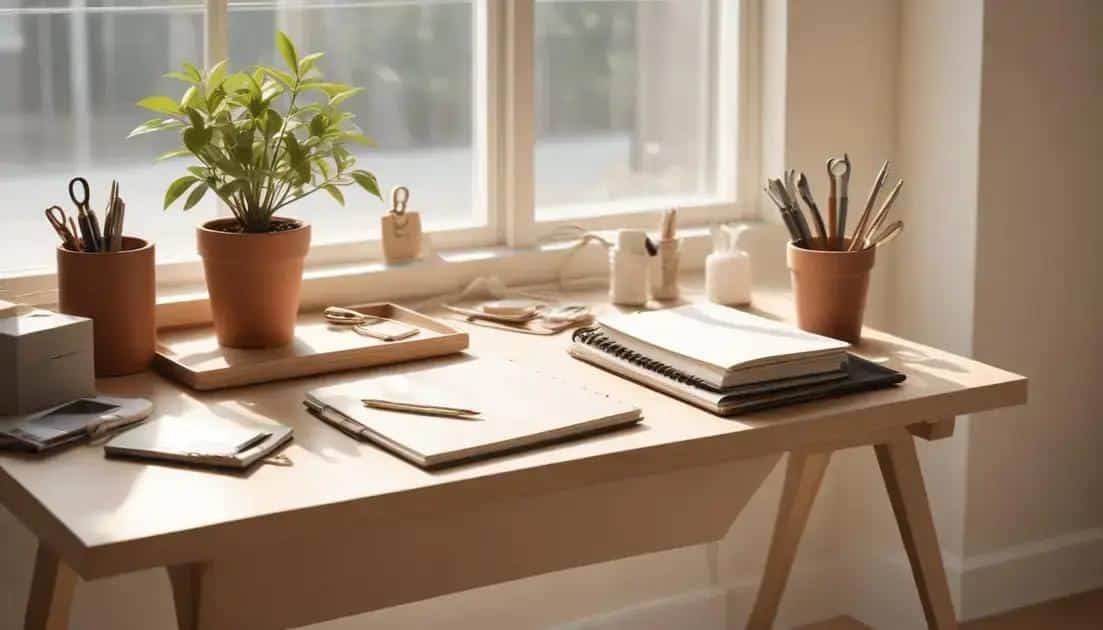
minimalist home routines lowering mental clutter get a boost from a few well-chosen tools and simple design moves. The right items cut friction and help good habits stick.
Focus on easy wins: items that hide mess, guide choices, and save time.
choose simple physical tools
Pick a few reliable items that make daily actions faster and neater. Fewer, better tools beat many half-used gadgets.
- One tray or bowl for keys and mail keeps entry clutter contained.
- A single notebook or planner for quick notes reduces scattered lists.
- Wire clips and cable sleeves hide cords to lower visual noise.
- A small basket or box for items to donate keeps extras moving out the door.
Keep each tool visible and used. When things have a home, you spend less energy finding and deciding.
apply minimal design choices
Use color, light, and texture to calm the eye. Neutral tones, natural light, and a single plant can make a room feel orderly without extra work.
Limit surfaces to a few meaningful objects. That reduces distractions and supports focus.
design for quick flow
Arrange spaces so common tasks are easy. When movement and storage match daily routines, clutter builds less often.
- Create clear zones: a drop zone by the door and a focused work nook.
- Choose multipurpose furniture with hidden storage to keep surfaces free.
- Set up one visible habit cue, like a tray or hook, to guide action.
- Use soft task lighting to mark activity areas and reduce overstimulation.
Digital tools matter too: a single calendar, a simple task app, and email filters cut decision load. Automate routine payments and reminders where possible.
Test one change at a time and keep it small. When a tool or design choice feels helpful, make it a habit before adding another.
Minimalist home routines lowering mental clutter are supported by clear choices: a few purposeful tools, calm design, and spaces arranged for easy habits. Those small moves add up to steadier focus and less daily noise.
Minimalist home routines lowering mental clutter work best when they are small, regular, and focused on a few key areas. Tiny morning habits, a quick weekly reset, and simple tools cut decisions and calm your mind. Start with one easy change and keep it consistent to steady your day and reduce stress.
FAQ – minimalist home routines lowering mental clutter
What are minimalist home routines and why do they help?
They are simple, repeatable habits that reduce visual and mental noise. They lower decision load and help you feel calmer daily.
How do I start without feeling overwhelmed?
Begin with one small habit like making your bed or a 5-minute tidy. Keep it consistent before adding another change.
How much time will these routines take each day?
Most routines need only a few minutes. Mornings can be 5–10 minutes; a weekly reset is 20–30 minutes.
What tools or design choices actually make a difference?
Use a single tray for essentials, one notebook, hidden storage, soft task lighting, and a small plant to reduce clutter and cue habits.