snack-sized workouts for busy workday schedules deliver short 3–10 minute movement bursts you can do between meetings to boost energy, improve posture, reduce stiffness, and build consistent activity by using simple cues, calendar blocks, and easy tracking methods.
snack-sized workouts for busy workday schedules can make long office hours less draining. Try mini routines between meetings and you may feel sharper—curious which moves fit your desk?
how to fit 5–10 minute routines into a packed calendar
snack-sized workouts for busy workday schedules slip into tiny gaps and still bring big benefits. Try short moves between meetings and you may feel less stiff and more focused.
These mini sessions are easy to start and simple to repeat, even on the busiest day.
find tiny windows in your day
Scan your calendar for 5–10 minute gaps: between calls, during lunch, or when a meeting runs long. Use natural pauses as chances to move.
Even waiting for a file to download or for the kettle to boil can be enough time to do a short routine.
set clear cues and simple routines
Create a predictable trigger so the habit sticks. A calendar block, phone alarm, or notebook sticker can prompt you.
- 2–3 minute mobility: neck rolls, shoulder circles, ankle picks to reset posture.
- 5 minute walk: pace the hallway or stair landing to raise heart rate gently.
- 7–10 minute circuit: chair squats, desk push-ups, seated twists — repeat each move once.
- breath and reset: 1 minute of deep, paced breathing to lower stress and refocus.
Keep routines short and repeatable. Choose moves that need little space and no special gear so you can do them anywhere.
Combine tiny sessions across the day instead of one long workout. Three 5-minute bursts beat one missed hour-long plan when time is tight.
Track small wins to stay motivated: check boxes on your calendar, jot quick notes, or use a habit app. Progress builds from tiny successes.
Start with one cue, one move, and one small goal. Gradually add variety and you will keep momentum without adding stress.
In short, use clear triggers, simple exercises, and brief tracking to make snack-sized workouts for busy workday schedules a realistic, steady habit.
office-friendly moves that boost energy and correct posture
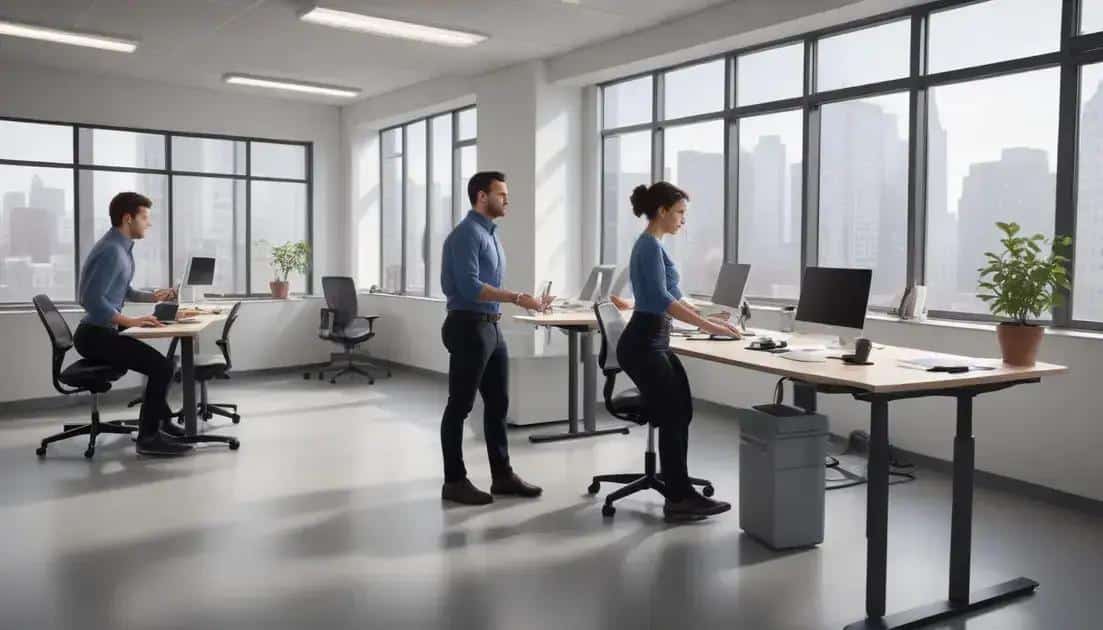
snack-sized workouts for busy workday schedules can include small, office-friendly moves that raise energy and help correct posture. These short actions fit into breaks and meeting gaps.
They need little space and no equipment, so you can do them at your desk or in a hallway.
standing moves to boost alertness
Stand up and use your bodyweight to wake muscles and increase circulation. Keep movements slow and controlled to avoid strain.
Try to focus on full ranges of motion and steady breathing.
seated adjustments to fix posture
Small changes while seated realign the spine and relax tight areas. Engage your core and lengthen the neck before each move.
- desk push-ups: place hands on the desk, step back, and bend elbows to feel the chest and shoulders work.
- seated thoracic twists: cross arms over chest and gently rotate upper body side to side to open the mid-back.
- standing calf raises: rise onto toes, pause, then lower to improve circulation and ankle mobility.
- chin tucks: draw chin back to align head over shoulders and reduce forward-head posture.
Mix standing and seated moves through the day for variety. Two to five minutes per burst can shift your energy and ease stiffness.
Focus on form: slow reps, full breaths, and steady control. If a move causes pain, stop and try a gentler option.
Use simple timing cues like the end of a call or a calendar notification. Short, repeated practice builds strength and better posture over weeks.
Be mindful of office etiquette: choose discreet moves, face away from coworkers if needed, and keep noise low. Consistency matters more than intensity.
With brief, regular practice, these office-friendly moves become easy habits that lift energy and support better posture throughout the workday.
timing strategies and microbreak hacks for real consistency
snack-sized workouts for busy workday schedules get steady when you use clear timing and small triggers. Tiny, planned breaks are easier to keep than long, rare workouts.
Pick one or two cues and make moves short. Consistency grows from tiny, repeatable steps.
use calendar blocks and simple alerts
Reserve 5–10 minute blocks on your calendar and treat them like meetings. A phone alarm or timer helps you keep the slot.
Protect these blocks from low-priority tasks so the habit can form.
practical microbreak hacks
- habit stacking: attach a short routine to an existing habit, like standing after a call or before lunch.
- meeting buffers: add five-minute gaps between meetings to stand, walk, or stretch.
- visual cues: place a sticky note, set a calendar color, or use a small object to remind you to move.
- short timers: use 5-minute timers or Pomodoro bursts to prompt frequent microbreaks.
Some people prefer fixed slots while others like flexible triggers. Try a mix: start with a fixed time, then add flexible cues tied to routines.
Keep each session simple. Three moves for five minutes can raise energy and ease stiffness. No gear needed makes it easy to repeat.
Track tiny wins with a checkmark on the calendar or a quick app note. Seeing progress, even small, helps you stay consistent.
Over time, these timing strategies and microbreak hacks make snack-sized workouts for busy workday schedules an easy part of your day without extra stress.
simple ways to track progress and keep motivation high
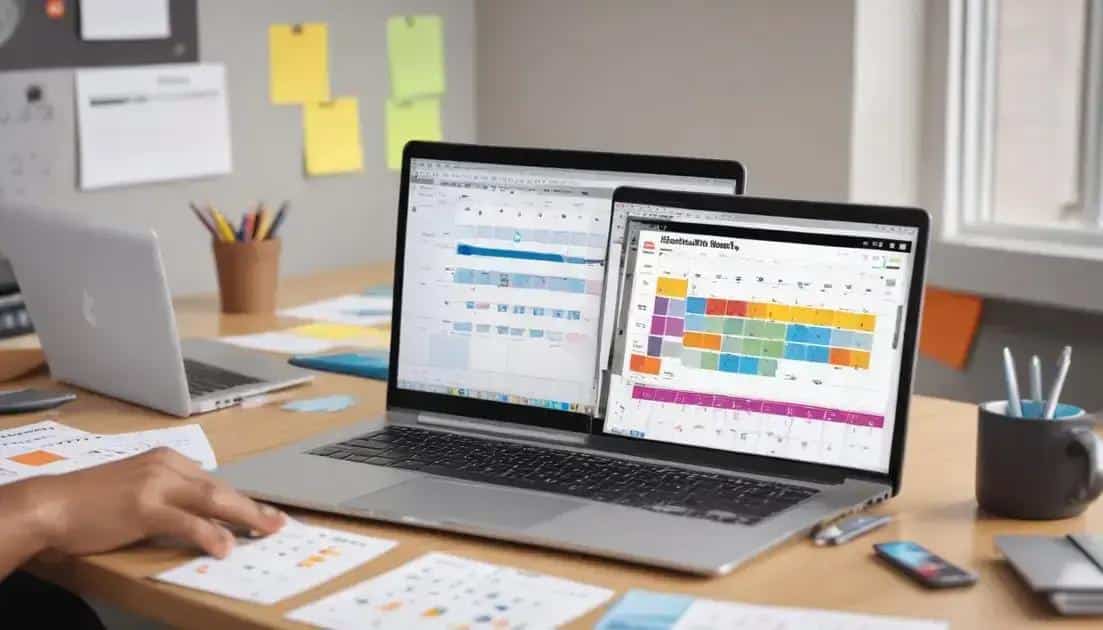
snack-sized workouts for busy workday schedules stay easier when you track tiny wins. A quick log shows progress and keeps you going.
Use fast, low-friction methods so tracking feels like part of the day, not a chore.
quick, no-fuss ways to log progress
Keep it simple: mark a calendar, tick a box, or add a short note. The act of recording builds habit quickly.
tools that actually help
Choose tools that match your routine and attention span. Short reminders and visual streaks work well for busy days.
- calendar checkboxes: add a colored block or checkbox for each 5–10 minute session.
- habit apps: use apps with one-tap logging and streak visuals to boost consistency.
- simple tally: jot a quick tally on a sticky note or in a daily planner.
- timer logs: use a 5-minute timer and save timestamps for small wins.
Set tiny, clear goals like “three 5-minute bursts today.” Small targets feel doable and add up fast.
Pair tracking with rewards: a short walk after a full day or a favorite tea after a week of consistency. Rewards reinforce the habit loop.
Try social cues: tell a coworker or join a tiny accountability group. A quick check-in helps on low-energy days.
Adjust as you learn. If a method feels heavy, switch to a lighter one. The goal is steady practice, not perfect logs.
Use visual proofs—colored marks, streak bars, or a simple checklist—to see progress at a glance and stay motivated to keep doing snack-sized workouts for busy workday schedules.
Short, regular bursts beat rare long sessions. Use clear cues, quick office moves, and simple tracking to make snack-sized workouts for busy workday schedules a steady habit that boosts energy and posture.
FAQ – Snack-sized workouts for busy workday schedules
What are snack-sized workouts and why do they help?
They are 3–10 minute bursts of movement that boost energy, reduce stiffness, and fit into a packed workday without special equipment.
How can I fit them into back-to-back meetings?
Use 5-minute calendar buffers, set phone alarms, or habit-stack a short routine right after calls to make movement automatic.
What discreet exercises work well in an office?
Seated twists, desk push-ups, standing calf raises and chin tucks need little space and are quiet and effective.
How do I stay motivated and track progress?
Mark calendar checkboxes, use a one-tap habit app, set tiny daily goals, and reward short streaks to build consistency.