wearable sleep tracking for recovery optimization uses nightly measures like HRV, sleep stages, resting heart rate, and respiration to detect recovery deficits, guide training load, and recommend rest or low-intensity sessions based on consistent multi-night trends rather than single readings.
wearable sleep tracking for recovery optimization can reveal small habits that slow your repair—did late-night screens or missed naps matter more than you thought? With real examples and simple steps, you can turn nightly data into smarter, gentler training choices.
how wearable sleep trackers measure recovery: sensors and accuracy
wearable sleep tracking for recovery optimization uses small sensors that record your body while you rest. They turn raw signals into useful recovery clues.
Knowing which sensors do what helps you spot errors and trust the numbers.
Key sensors and what they measure
Wearables combine different sensors to build a clear night profile.
- PPG (photoplethysmography): uses light to track pulse and estimate heart rate variability (HRV).
- Accelerometer and gyroscope: detect movement and body position for sleep/wake and restless periods.
- SpO2 and respiration: measure blood oxygen and breathing patterns to flag disturbances.
- Skin temperature: reveals circadian shifts and can hint at recovery or illness.
Behind these sensors, firmware and algorithms clean signals. They remove motion noise, smooth spikes, and infer sleep stages from combined data.
How algorithms shape accuracy
Raw sensor data is noisy. Good algorithms account for sampling rate, filter artifacts, and individual differences. That improves consistency across nights.
Clinically validated devices use transparent methods and peer-reviewed studies. Most consumer wearables aim for reliable trends rather than medical-grade precision.
Look at overnight trends, not single-night values. Trends in HRV, total sleep time, and deep sleep give clearer recovery insight than one reading.
Fit and placement matter. A loose band or wrong wrist reduces PPG contact and adds motion error. Clean skin and a snug fit improve readings.
Practical tips to improve measurements
Small changes can boost accuracy and usefulness.
- Wear the device snugly and consistently on the same wrist each night.
- Keep firmware updated to get algorithm improvements.
- Avoid bright bedside lights that can affect optical sensors.
- Use overnight trends to guide training and rest decisions, not single alarms.
Remember that sleeping environment, caffeine, alcohol, and illness all change sensor signals. Track notes alongside the data to interpret spikes or drops.
Wearable sleep tracking for recovery optimization is best used as a trend tool: it highlights patterns, flags risks, and helps you test small changes to boost recovery.
interpreting key metrics: hrv, sleep stages, heart rate and respiration
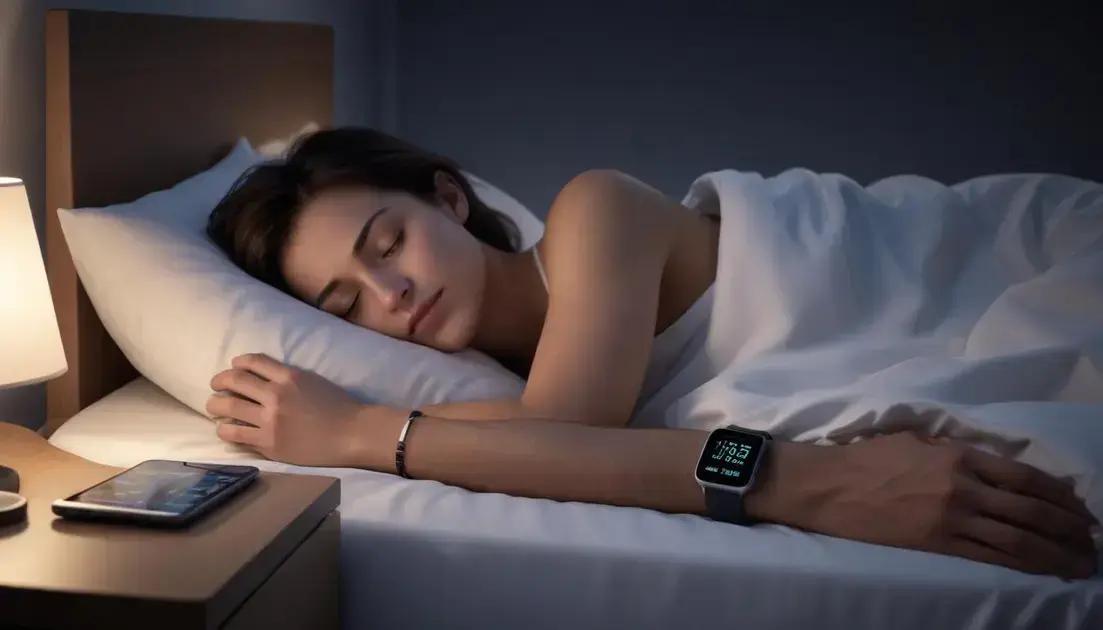
wearable sleep tracking for recovery optimization turns night data into clear signals about how your body repairs. Learn to spot the meaningful shifts in HRV, sleep stages, heart rate, and breathing.
These measures pair to show stress, repair, and breathing quality so you can adjust rest and training.
hrv: a quick gauge of recovery
HRV (heart rate variability) shows how well your nervous system is resting. Higher nightly HRV often means better recovery and readiness.
Small drops can follow hard workouts, poor sleep, or stress. Look for trends over days, not single numbers.
sleep stages and what they mean
Deep sleep helps physical repair and memory. REM supports learning and mood. Light sleep fills the gaps.
Devices estimate stages by combining motion, heart rate, and sometimes breathing. Stage totals show where recovery may lag.
- Short deep sleep: consider earlier wind-down and less late caffeine.
- Low REM: check stress, alcohol, or erratic sleep times.
- Fragmented sleep: track noise, temperature, or late screens.
Heart rate at night should drop vs. daytime. A steady low heart rate during sleep suggests calm recovery, while sustained elevation can signal stress or illness. Breathing rate and SpO2 trends reveal sleep quality and possible disturbances like sleep apnea.
how to combine metrics into action
Don’t treat metrics alone. Pair a low HRV with reduced deep sleep and higher night heart rate to spot true recovery shortfalls.
Use simple rules: if two or more metrics worsen for 2 nights, favor light training or extra rest. If one metric shifts briefly, monitor and adjust lifestyle first.
- Check nightly trends, not single readings.
- Log factors like caffeine, alcohol, and illness with your data.
- Prioritize consistent bedtime and a cool, dark room for better stages.
- Use device notes to test small changes and watch trends.
Fit and device quality matter: a snug band and updated firmware improve signal and reliability. Clinical-grade devices may be more accurate, but consumer wearables still show useful patterns.
Understanding HRV, sleep stages, heart rate, and respiration together gives clearer insight than any one metric. Use these signals as a guide to tweak sleep habits and training for better recovery.
using sleep data to adjust training load and improve recovery
wearable sleep tracking for recovery optimization can guide exact choices about when to push and when to back off. Use clear, simple rules that match what your night data shows.
Small changes to a session or one extra rest day can protect gains and speed progress.
simple rules to adjust training load
Base decisions on trends across nights, not a single value. Combine objective metrics with how you feel.
- If two or more metrics (like HRV drop and less deep sleep) worsen for 48–72 hours, reduce intensity or switch to an easy recovery session.
- Single-night dips: monitor and focus on sleep hygiene before changing heavy sessions.
- Sustained higher resting heart rate and poor sleep for a week may mean schedule a deload week.
- If only HRV is low but sleep and mood are fine, favor technique work or short tempo rather than full intensity.
Make adjustments simple: cut volume by 25–50% or lower intensity for one or two sessions. Track how your body responds for the next three nights.
how to apply metrics to session planning
Use metrics to set session type, not to remove movement entirely. Replace high-load days with mobility, steady aerobic work, or short skill sessions.
Example: an athlete sees a 10% HRV drop and 30% less deep sleep—swap a heavy lift day for a 30–45 minute easy bike and mobility work. Re-test the following nights.
- Use perceived exertion (RPE) alongside data to decide effort.
- Prefer short easy sessions over full rests when trends are mild.
- Schedule full rest or deload when multiple metrics decline for several days.
Log context: late caffeine, travel, illness, and stress all change sleep numbers. Add notes to your app so you can link causes to dips and recover faster.
tools and recovery tactics to pair with sleep insights
Pair data-driven choices with simple recovery tools to speed return to baseline.
- Short naps (20–30 minutes) to fill deficits without ruining night sleep.
- Active recovery: low-intensity cardio, stretching, or a short walk.
- Consistent bedtime, cool dark room, and limiting alcohol to improve deep sleep.
- Hydration and protein after workouts to aid physical repair.
Review weekly trends and adjust training blocks, not just single sessions. Use the wearable as a guide, test small changes, and prefer steady improvements in HRV, sleep stages, and nightly heart rate.
When you match training load to what your sleep data shows, you keep progress steady, lower injury risk, and make recovery an active part of your plan.
choosing a device: comfort, battery, data policies and cost
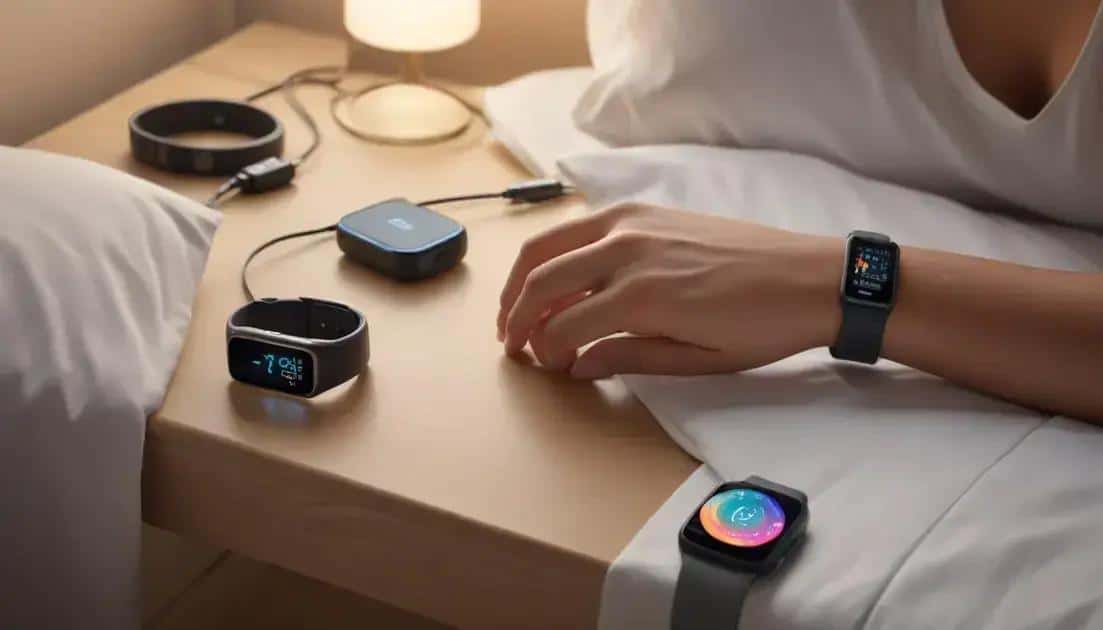
wearable sleep tracking for recovery optimization works best when the device fits your life. Comfort, battery life, privacy, and price shape how much you will use it nightly.
Pick a tracker that you can wear every night without fuss and that gives clear data you can trust.
comfort and fit matter most
A device you hate wearing will end up in a drawer. Try lightweight bands and rings to see what feels natural in bed.
Pay attention to strap material, sensor placement, and whether it irritates skin. A snug, stable fit improves sensor contact and accuracy.
battery and charging routines
Long battery life means fewer nights off. Check how many days a charge lasts with continuous heart and sleep tracking enabled.
- Look for 5+ days for wrist devices or 3+ days for rings to reduce charging disruptions.
- Fast charging helps if you prefer nightly wear and brief daytime top-ups.
- Consider whether charging docks are easy to use and fit your bedside setup.
Think about your habits: if you forget nightly charging, a device with multi-day battery keeps data continuity and better trend analysis.
data policies and privacy
Review how the company stores and shares sleep data. Devices vary in encryption, third-party sharing, and data export options.
Choose vendors that allow you to delete or export your data and that explain what they share for research or advertising.
cost versus long-term value
Upfront price is one factor. Also weigh subscription fees for advanced analytics and whether free features meet your needs.
- Compare one-time cost plus any monthly fees for cloud services or advanced insights.
- Check warranty and durability—cheaper devices may fail sooner and lose data continuity.
- Decide if clinical validation or third-party studies matter for your goals.
Test small: if possible, trial a device or buy from a retailer with a good return policy. Match features to how you plan to use the data, not just the flashiest specs.
When you balance comfort, battery, clear data policies, and total cost, you pick a tracker you will wear nightly and trust to guide recovery decisions.
wearable sleep tracking for recovery optimization makes it easy to spot real changes in your nights and use them to guide training. Track trends, pick a comfortable device, protect your data, and favor small, consistent changes to improve recovery and stay injury-free.
FAQ – wearable sleep tracking for recovery optimization
How accurate are wearable sleep trackers for recovery metrics?
Most consumer wearables give good trend information but not medical-grade readings. They reliably show nightly changes in HRV, sleep stages, and heart rate for personal tracking.
What should I do if my HRV drops several nights in a row?
If HRV falls for 2–3 nights and sleep quality drops, reduce intensity or choose an easy recovery session. Log stressors, sleep habits, and re-check trends before heavy training.
How do I pick a device that I will actually wear every night?
Choose comfort first: lightweight fit, stable sensor contact, and multi-day battery. Also compare app features, subscription costs, and return policies to match your routine.
Are my sleep and recovery data private?
Privacy varies by brand. Read the data policy: prefer vendors that offer local export, clear encryption, and options to delete or opt out of third-party sharing.